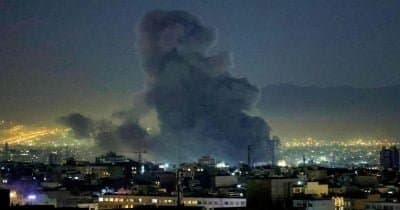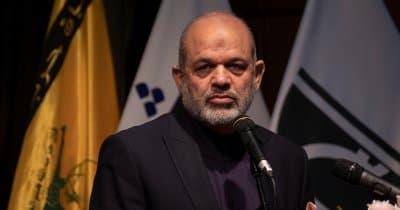
The recent statements from Kazem Gharibabadi, Iran's Deputy Foreign Minister, calling for a 'regret-inducing' response to threats against the country's leadership signify a critical juncture in Iran's national security strategy. This demand emerges in the wake of the assassination of Supreme Leader Ayatollah Ali Khamenei, an event attributed to coordinated U.S. and Israeli military actions. The push for a concrete retaliatory framework not only reflects Iran's historical posture of deterrence but also indicates the regime's intent to project strength and stability amidst increasing external pressures.
Context of Iran's Security Posture
Gharibabadi's call highlights a persistent theme in Iranian politics: the necessity of a robust military capability to deter perceived aggressors. Following the assassination, the Iranian government has been under pressure to demonstrate resilience and a capacity for decisive action. This context is crucial, as the Iranian leadership is navigating a landscape marked by both internal dissent and external military threats. The emphasis on a predefined response suggests that Iran is keenly aware of the precarious nature of its leadership's security and the importance of maintaining a united front against foreign adversaries.
Market Implications and Leadership Stability
The implications of Gharibabadi's statements extend beyond Iran's borders, affecting regional stability and market dynamics. Observers have noted a decline in confidence regarding Iran's ability to maintain stable leadership through 2026, especially in light of potential internal shifts within the government or military. The call for a strong response to threats may lead to increased military expenditures and a ramp-up in defense readiness, which could further strain Iran's already precarious economic situation.
Moreover, developments in Iran's national security policies, as well as its diplomatic engagements with the U.S. and Israel, will be pivotal in shaping market perceptions. Stakeholders will be closely monitoring legislative actions and military maneuvers that could signal either escalation or a path toward de-escalation. The potential for conflict escalation remains high, especially as the geopolitical landscape evolves.
Future Considerations
As Gharibabadi's statements resonate through diplomatic and military channels, the international community must remain vigilant. The Iranian regime's focus on deterrence could lead to a cycle of retaliatory actions that destabilize the region further. Investors and analysts will need to account for these dynamics in their assessments of risk and opportunity in the Middle East. The interplay between Iran's military doctrine and its leadership stability will be a critical factor to watch in the coming months.
This material is for informational purposes only and does not constitute financial advice.