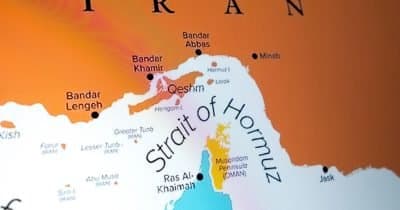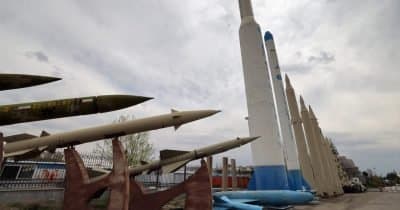
Iran's military actions, particularly missile and drone strikes on U.S. bases in Bahrain and Kuwait, underscore escalating tensions in the ongoing conflict that reignited with the assassination of Supreme Leader Ali Khamenei on February 28, 2026. Despite a noted decrease in the frequency of these attacks, the strikes highlight Iran's unwavering stance against U.S. forces and its regional allies.
The landscape shows a significant shift as the U.S.-Israel coalition has substantially weakened Iran's military capabilities, yet Iran's capacity for retaliatory strikes reflects a persistent volatility within the region. This situation suggests that Iran is employing a strategy aimed at imposing political costs on U.S. involvement in the area, which could have broader implications for the stability of the region.
Market analysts are noting an uptick in the perceived likelihood of regime change within Iran, with current estimations indicating an 8.5 percent probability that the regime might collapse by the end of 2026. This sentiment appears to be fueled by ongoing geopolitical pressures and the instability surrounding Iran's governance structure, setting the stage for a turbulent few months ahead.
As the situation unfolds, observers should keep an eye on military engagements from the U.S.-Israel coalition and any strategic shifts that might influence Iran's governmental stability. Key indicators to watch for include potential defections from the Islamic Revolutionary Guard Corps (IRGC) and any significant policy announcements from the U.S. Additionally, the reactions of regional allies could further shape the market's perception of the Iranian regime's future.
This material is informational and does not constitute financial advice.