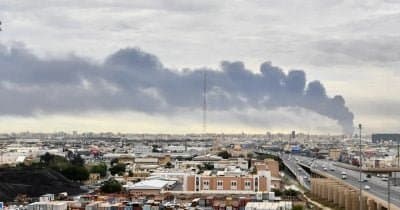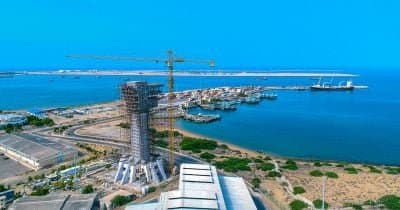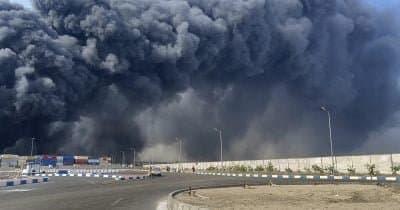
Investors and geopolitical analysts alike are digesting President Donald Trump’s recent declaration that the US naval blockade on Iranian ports will continue indefinitely amid escalating tensions. This reassertion came just days after the blockade was reinstated on July 14, 2026, following the collapse of a fragile ceasefire with Iran. The US, backed by Israel, maintains a strong naval presence designed to strangle Iran’s maritime trade routes. This constriction signals a thickening of hostilities, raising critical questions about the regional stability and the broader implications for global markets.
The extension of the blockade represents more than a stand-off; it signals the US's intention to use economic pressure for renewed negotiations on its terms. Market pricing reflects this hardened stance, with prediction markets assigning only a 6.7% chance for the blockade to end by July 24. Such skepticism underlines investors’ expectations of a prolonged standoff rather than a swift diplomatic resolution. This dynamic is poised to exacerbate volatility in commodities and trade-related sectors, particularly given Iran’s strategic location at the Strait of Hormuz, a vital chokepoint for global oil shipments.
Financial markets remain highly sensitive to any developments in this row. Shifts in control or accessibility of the Strait of Hormuz could disrupt crude oil supplies, amplifying price fluctuations and impacting energy-dependent industries worldwide. Monitoring statements from US Central Command and Iranian leadership becomes critical as each could alter perceptions of escalation or de-escalation. This blockade intertwines with broader Middle Eastern tensions, hinting at potentially wider regional conflicts that would ripple through emerging markets and risk assets.
Given the fluidity of the situation, market participants must brace for sudden shifts triggered by diplomatic overtures or military incidents. Understanding this blockade’s persistence helps frame short-term risk assessments and informs strategic positioning. For insight into how shifting military deployments in the region might affect political stability and markets, see How Israel’s Troop Shifts in Lebanon Signal Fragile Peace Prospects. Investors focused on macro geopolitical risks find themselves at a critical juncture where vigilance in monitoring developments is paramount.
This material is informational and does not constitute financial advice.