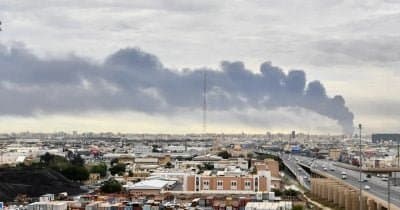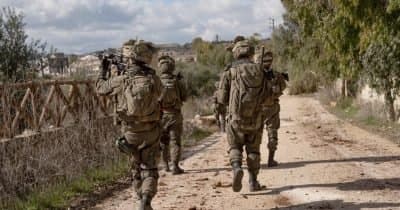
Israel's redeployment of forces from designated southern Lebanese zones marks a cautious step in a complex ceasefire brokered by the United States. This maneuver not only advances the gradual handover of security responsibilities to the Lebanese Armed Forces but also reveals the fragile balance underlying current peace efforts. Despite the withdrawal, recent exchanges of fire near Lebanese positions highlight how instability persists amid diplomatic progress.
Diplomatic Undercurrents and Market Implications
US President Donald Trump’s announcement about Israel’s redeployment coincides with signals that Iran is showing a willingness to engage in broader regional dialogue. This is notable because Iran’s posture has often been a major barrier to sustained peace between Israel and Hezbollah. The possibility of Iran participating in talks suggests a thaw in relations that may extend the ceasefire beyond immediate fronts, potentially stabilizing the region during upcoming sensitive dates.
From a market perspective, these developments have been interpreted as cautiously optimistic. Investors typically view reduced frontline tensions and diplomatic engagement as positive signals that mitigate geopolitical risks. However, the ongoing military friction near redeployment zones injects uncertainty. This volatility may moderate any short-term market rallies tied to peace prospects, as the path to a full agreement remains convoluted and fragile.
What to Monitor Next in the Peace Process
The next critical indicators will be formal responses from Hezbollah and the Lebanese government regarding the ceasefire framework and troop transitions. Any official commitment from these actors could significantly shift perceptions about the viability of a permanent peace deal, which still appears unlikely by the target date of July 31, 2026. Meanwhile, fresh military incidents or breakdowns in communication between Israel and Lebanon could derail progress and increase regional risk premiums.
Stakeholders should watch statements from Prime Minister Benjamin Netanyahu and President Trump for insights into the evolving diplomatic landscape. The delicate balance of power and influence among regional actors, including Iran’s role, will fundamentally shape the trajectory of this ceasefire and its potential to hold. The current redeployment thus serves as a testing ground for whether diplomatic efforts can translate into lasting stability or merely temporary reprieve.
This material is informational and does not constitute financial advice.