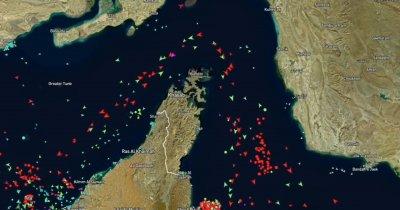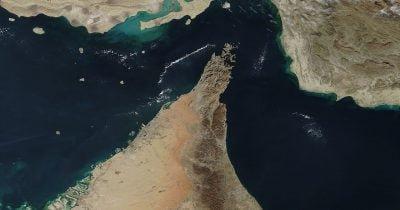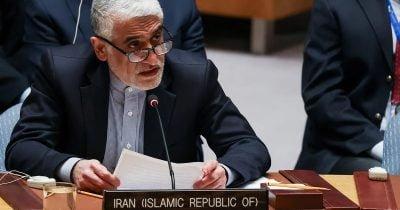
On July 12, 2026, Oman’s Foreign Ministry summoned the Iranian ambassador to express its protest against recent attacks on Omani territory. This move marks a pivotal moment in Oman's traditionally neutral foreign policy, which has often positioned the nation as a mediator in regional conflicts.
The backdrop of this diplomatic action is the ongoing 2026 Iran War, during which Iran has reportedly launched retaliatory strikes targeting various Arab nations, including Oman. Initially, Tehran claimed these actions were unintended. However, the reality of sustained strikes on Omani infrastructure has raised significant concerns in Muscat, suggesting that Oman’s commitment to neutrality may be faltering under pressure.
Implications for Diplomatic Relations
The summoning of the Iranian ambassador indicates a notable diplomatic escalation, potentially reshaping Oman’s role in Middle Eastern geopolitics. This shift comes at a time when the market perceives a diminished likelihood of a U.S.-Iran final nuclear deal by August 2026, now reflecting only a 2.9% probability. The persistent regional conflicts, coupled with diplomatic strains, could impede progress necessary for such a critical agreement.
Given the current volatility, stakeholders should monitor ongoing responses from Iranian leadership regarding negotiations and U.S. sanctions policies. Escalation in military actions, particularly involving Oman, could further impact market perceptions surrounding a nuclear resolution. Additionally, any renewed efforts involving Omani mediators may signal significant changes in the regional dynamics.
In conclusion, Oman's diplomatic shift exemplifies the intricate balance of maintaining neutrality while addressing the realities posed by regional conflicts. As the situation evolves, investors and analysts alike should remain vigilant regarding how these developments will affect market conditions and geopolitical stability.
This material is for informational purposes only and does not constitute financial advice.