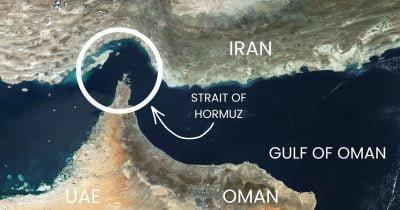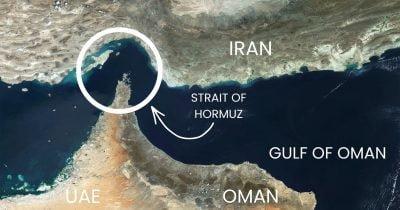
Oman and Iran have reached an agreement to continue their discussions regarding the security of maritime navigation in the crucial Strait of Hormuz. This decision, announced by a spokesperson from Iran's foreign ministry, comes against a backdrop of rising tensions following recent conflicts involving the U.S. and Iran, which have disrupted vital shipping routes.
The presence of a Qatari delegation during these talks underscores a broader regional initiative aimed at stabilizing this strategically significant waterway. As the Strait of Hormuz is a critical conduit for global energy supplies, the implications of these negotiations extend beyond mere diplomatic engagement; they could have real consequences for international shipping and energy markets.
Market analysts note a slight uptick in the probability of a diplomatic meeting between the U.S. and Iran by the end of July, currently assessed at 36%. This figure, although reduced from previous estimates, reflects growing optimism among traders regarding a potential easing of tensions in the region. However, skepticism remains prevalent, as market participants are cautious about the chances of a swift resolution to the ongoing friction.
Moving forward, observers should closely monitor any official announcements related to further diplomatic efforts between the U.S. and Iran, as these developments could significantly impact market expectations. The outcome of talks surrounding the Strait of Hormuz could be pivotal, particularly if they lead to a reduction in hostilities or improvements in shipping conditions. Critical indicators will include statements from the involved nations and any changes concerning the operational status of the Strait.
This material is informational and does not constitute financial advice.