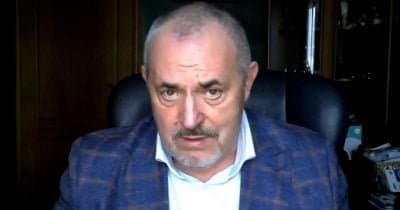
The Russian Justice Ministry's recent designation of anti-war politician Boris Nadezhdin as a foreign agent has profound implications for the country's political landscape. By effectively hindering his participation in the approaching State Duma elections, scheduled for September 2026, the government showcases its escalating intolerance towards dissenting voices, particularly amid the backdrop of ongoing military actions in Ukraine.
This politically charged move not only impacts Nadezhdin's ability to challenge the ruling United Russia party but also signals a broader strategy of suppression directed at opposition figures. As these actions unfold, market indicators suggest a diminishing likelihood of significant electoral gains for anti-establishment parties, which may further entrench the existing power dynamics. Such developments are critical, as they provide insight into the state of political freedom in Russia and could potentially shape international perceptions and investor sentiment.
Key market responses indicate a bearish outlook for opposition parties, including the Communist Party, where the odds for gaining legislative seats appear to be decreasing. The potential ramifications of this designation extend beyond domestic politics; they highlight the lengths to which the Russian government will go to maintain control over the electoral process and suppress dissent.
As observers await further developments from the Central Election Commission regarding electoral restrictions and candidate eligibility, significant dates loom on the horizon. The upcoming elections will serve as a crucial barometer for public sentiment, and any shifts in polling data favoring opposition parties could recalibrate market expectations and strategies.
Additionally, any further legal actions against additional opposition figures may intensify current market dynamics, potentially leading to a distorted electoral landscape where non-United Russia parties struggle for visibility and viability. The implications of Nadezhdin's designation extend far beyond a single political figure; they reflect a systematic trend within Russia that could have lasting effects on governance, civil society, and even economic stability.
This article is for informational purposes only and does not constitute financial advice.