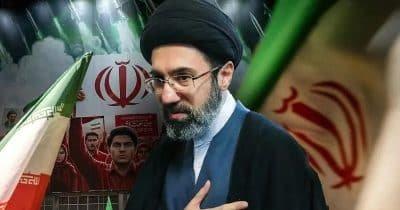
The recent funeral of the late Supreme Leader Ali Khamenei has stirred significant speculation regarding the future leadership of Iran, particularly due to the conspicuous absence of Mojtaba Khamenei, who was expected to be his successor. This situation raises critical questions about the stability of Iran's political hierarchy amid an already precarious domestic landscape.
The Implications of Absence
Mojtaba Khamenei's absence at his father's funeral is more than a mere personal choice; it points to deeper issues affecting Iran's power structure. Injuries from a recent U.S.-Israeli military strike not only impede his physical presence but also reflect the ongoing risks surrounding his potential leadership.
Market Reactions and Predictions
The reaction from markets suggests a growing concern about the implications of a power vacuum. Predictive platforms indicate an increasing probability of instability within the Iranian leadership by the end of 2026. As uncertainty looms, investors and analysts are carefully examining the current political climate and its potential effects on both regional stability and economic conditions.
What to Monitor Moving Forward
Observers of Iranian politics should focus on several key aspects in the coming months:
- The health and recovery of Mojtaba Khamenei, and any public statements regarding his role.
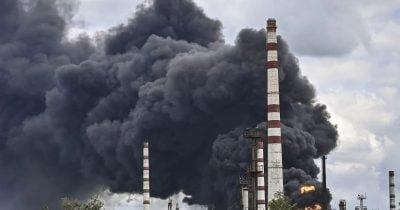
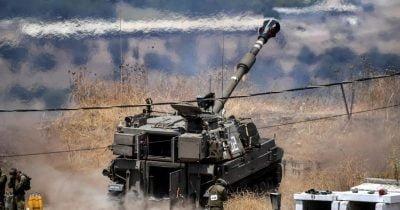
- Developments in the ongoing military conflict that could further destabilize the regime.
- Announcements from Iranian authorities about succession and leadership dynamics.
Entities such as the Assembly of Experts may soon provide additional insights into the evolving leadership landscape. Hence, remaining vigilant regarding these developments will be essential for gauging potential shifts in Iran's political authority. The increased military tensions have emphasized the fragility of Iran's political situation, making this period critical for market participants and investors alike.