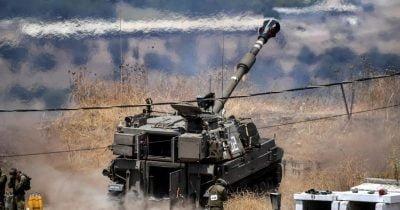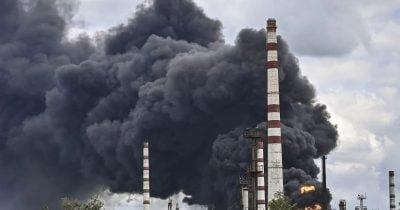
In a significant and troubling development in the ongoing Russia-Ukraine conflict, Ukraine has intensified its attacks on Russian energy infrastructure. These strikes, particularly on oil refineries and depots, have been described as unprecedented in scale and ambition, aiming to severely disrupt Russia’s war economy, which heavily relies on energy exports.
The Rationale Behind Ukraine's Tactics
U.S. intelligence support appears to play a pivotal role in enhancing Ukraine's operational capabilities, enabling them to target facilities deep within Russian territory some up to 800 kilometers from the frontline. This strategic shift represents a noteworthy escalation of hostilities, as both sides now engage in what analysts are calling "total war" tactics. Russia's response, launching extensive drone and missile attacks on Ukrainian energy sites, has led to significant casualties among civilians and heightened humanitarian crises.
Market Reactions and Predictions
The intensifying conflict has had immediate repercussions on market perceptions regarding the likelihood of a ceasefire. Recent data from prediction markets indicates a decrease in confidence that a ceasefire will be achieved by December 31, 2026. The probability of a YES outcome has dropped slightly, reflecting the market's belief that ongoing violence diminishes prospects for meaningful negotiations.
- Ukraine's aggressive strikes suggest a long-term strategy aimed at crippling Russian energy capabilities.
- Continued reciprocal attacks can result in severe humanitarian implications and potential violations of international law.
- Market participants now regard the chances of a ceasefire in 2026 as increasingly slim.
Future Outlook and Strategic Considerations
As military actions continue to escalate, market dynamics will remain fluid and highly sensitive to any diplomatic overtures. Observers should closely monitor potential mediation efforts from international actors, particularly the United States, which may catalyze negotiations between Russia and Ukraine. Conversely, sustained military escalations could further erode confidence in reaching an agreement. Additionally, statements from international bodies, including the United Nations, regarding potential violations of humanitarian law could significantly shape investor sentiment moving forward.