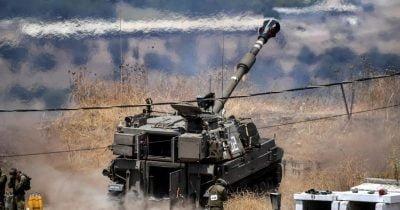
The recent artillery shelling of Deir Sreian in southern Lebanon by Israeli forces has raised significant concerns regarding the ongoing tensions between Israel and the militant group Hezbollah. Despite a ceasefire reached in June, hostilities have continued to flare, particularly following the deadly clash that resulted in the death of an Israeli officer in the vicinity. This escalation of military activity suggests the ceasefire remains tenuous and highlights the fragile state of peace in the region.
Understanding the Context of Ongoing Tensions
The shelling marks a critical point in regional dynamics, where the fragile ceasefire appears more like a temporary pause rather than a solid resolution to the conflict. The persistence of military actions, particularly in areas like Nabatieh, where conflicts have historically been rife, indicates that both sides may be testing each other’s resolve. Israel's current military operations can be viewed as a response to both provocations from Hezbollah and a broader strategic calculation regarding regional security.
Market Implications and Perceptions of Withdrawal
From a market perspective, the recent events have diminished the probability of an Israeli withdrawal from Lebanon by the anticipated date of July 31, reducing it to a mere 0.9%. This shift in market pricing reflects growing skepticism about Israel's commitment to disengagement, with potential ramifications for investors and stakeholders monitoring regional stability. Continued military engagement could keep volatility high, affecting investments across sectors sensitive to geopolitical events.
What to Watch Moving Forward
Investors and analysts should closely monitor statements from key figures such as Israeli Prime Minister Benjamin Netanyahu and Hezbollah leadership for signs of any changes in military strategy or potential timelines for withdrawal. Developments in the region, including renewed hostilities or advancements in ceasefire negotiations, could significantly influence market pricing and investor sentiment. Additionally, any announcements from U.S. or UN mediators regarding the state of the ceasefire may alter expectations and perceptions around regional stability, closely aligning them with market movements.