The recent announcement by Iran regarding the implementation of new fees for vessels transiting the Strait of Hormuz marks a pivotal moment in the geopolitics of global energy trade. Iran's envoy to China confirmed that countries deemed friendly will benefit from preferential rates, a strategic move reflecting Tehran's shift in post-conflict policy following its involvement in the recent U.S.-Israel conflict.
Contextualizing the Strait of Hormuz
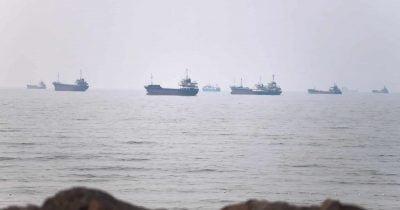
The Strait of Hormuz is a critical passage, carrying approximately 20% of the world's oil supply. Given its importance, Iran's decision to adjust transit fees could significantly influence global oil prices and shipping routes. The current market dynamics suggest that the likelihood of these fees being enforced by late August is high, as reflected in pricing adjustments.
Implications for Global Trade and Markets
Iran's approach appears to reinforce its leverage over this vital waterway, which could exacerbate tensions with the United States and Gulf Arab states opposed to these tolls. By establishing a selective fee regime based on political alliances, Iran seems intent on prioritizing its national security interests. Countries such as China, which are categorized as allies, will enjoy exemptions, potentially reshaping regional power dynamics in energy markets.
What Investors Should Watch
Market participants should closely monitor official confirmations from Iranian authorities, particularly regarding the end of the current 60-day pause on these fees. Any formal actions, whether through Iranian Parliament legislation or statements from significant international actors like the U.S. Secretary of State, could affect market perceptions and pricing strategies. Furthermore, confirmation of vessels actually paying the new fees would likely trigger a reassessment of how and when Iran will enforce this toll policy, posing potential risks and opportunities for traders and investors.