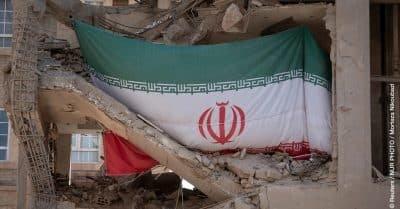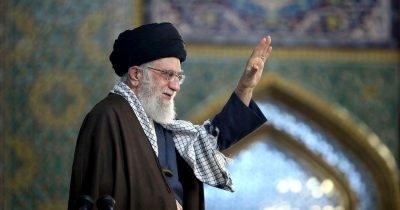
The upcoming funeral processions for the late Ayatollah Ali Khamenei, which are slated to traverse the sacred cities of Najaf and Karbala in Iraq, serve as a pivotal moment not only for Iran but also for the broader geopolitical landscape in the region. Khamenei's death, resulting from a U.S.-Israeli airstrike in February 2026, marks a significant transition that could alter the power dynamics in Iran and its relationships with neighboring countries.
Why This Matters for the Region
The significance of the funeral processions, as noted in reports from Al-Monitor, extends beyond mere grieving. The cities of Najaf and Karbala hold profound religious importance for Shia Muslims, and the participation of millions in mourning rituals indicates deep-rooted connections between Shia communities in Iran and Iraq. This display of unity could serve as both a rallying point for the Shia populace and a challenge for Sunni-majority nations in the region.
- Processions are expected to draw millions of mourners.
- There is a current market estimation of a 7.5% probability for the fall of the Iranian regime before 2027.
- The events elevate political dynamics affecting regional stability.
As market participants observe the situation, the implications are significant. The processions could symbolize a weakening of authority within Iran, which would have profound ramifications for its internal politics and international relations. Observers note that this moment could be indicative of potential challenges faced by the Islamic Revolutionary Guard Corps and Acting Supreme Leader Mojtaba Khamenei, as any signs of instability or dissent could galvanize opposition movements.
Future Developments to Watch
The unfolding events in the coming weeks will be crucial. Analysts will be monitoring the response from key players within Iran, especially the potential for defections or mass protests among the populace, which might align with scenarios where a decisive shift in power occurs. Moreover, international reactions, particularly from the U.S. and regional allies, must be closely scrutinized as they could alter market sentiments and impact geopolitical strategies.
Disclaimer: This material is for informational purposes only and does not constitute financial advice.