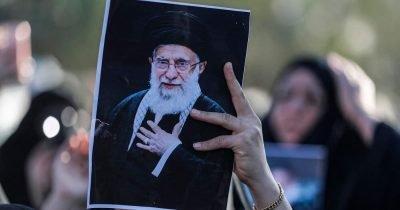
The recent assassination of Iran's Supreme Leader Ali Khamenei amid escalating tensions with the US and Israel has sparked intense political speculation within the region. A hardline media figure has accused Iranian President Masoud Pezeshkian and Parliament Speaker Mohammad Bagher Ghalibaf of being complicit in Khamenei's death, a claim that has raised eyebrows and highlighted the precariousness of Iran's current political scene.
Analyzing the Accusations
These allegations, emerging from social media discussions, suggest a calculated attempt by hardliners to undermine the ruling leadership during a time of national instability. Notably, both Pezeshkian and Ghalibaf attended Khamenei’s state funeral, which contradicts the narrative of their supposed involvement in the assassination. This contradiction raises important questions about the motivations behind these claims and the internal power struggles at play.
Political Implications and Market Reactions
The fallout from these accusations is palpable, with betting markets reflecting an increase in the odds of Pezeshkian’s potential resignation, which has jumped from 16% to 18.5% before the end of the year. Such movements in political forecasting indicate a turbulent environment where leadership stability is increasingly questioned.
Looking Ahead: Key Indicators to Monitor
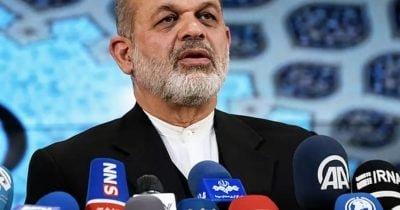
Observers should pay close attention to any official communications from Iran's leadership that could further influence the political climate. Significant indicators include public statements from influential figures like Mojtaba Khamenei or Ahmad Vahidi, which may either bolster or further erode Pezeshkian's standing. Additionally, ongoing negotiations regarding the Memorandum of Understanding (MOU) with the US will be critical in shaping the future political stability and, by extension, perceptions regarding Pezeshkian's future. With international dynamics fluid and ever-changing, shifts in Iran's internal political landscape could have broader implications for regional stability.