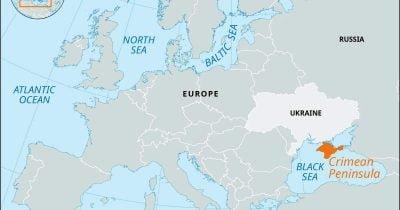
The recent military strikes by Ukraine targeting substations in Crimea have sparked significant discussions regarding the geopolitical landscape and its implications on market dynamics. The nighttime operations have resulted in widespread power outages across the region, which underscores Ukraine's strategic initiative to disrupt Russian logistics through its ongoing drone-led military campaign.
Strategic Objectives and Market Reactions
Ukraine’s attacks reflect a pivotal shift in its military strategy, aimed at making the occupation of Crimea increasingly burdensome for Russia. By targeting critical energy infrastructure, Ukraine is not only attempting to weaken Russia's military capabilities but also to create a logistical nightmare for their operations in the area.
The market's perception of Ukraine's potential recapture of Crimea by the end of 2026 has seen fluctuations in recent days. Currently, the probability of a successful initiative rests at 11.5%, a minor decrease from the previous day's 12%. This reflects a cautious optimism among market participants, who appear to correlate intensified military actions with a heightened possibility of Ukraine regaining territory.
Current Situation and Strategic Implications
The recent escalation coincides with a state of emergency declared in Crimea, pointing to serious implications for Russian control in the region. By targeting essential nodes such as the 110 kV Saky substation, Ukraine is systematically isolating Crimea, which may severely complicate Russian supply lines and operational effectiveness.
Looking Ahead: Key Indicators and Market Sentiment
As the situation develops, investors and market analysts must stay vigilant, monitoring both Ukrainian military strategies and potential Russian responses. Analyzing key indicators from sources like the Institute for the Study of War will be crucial in understanding any shifts in territorial control that may emerge. Furthermore, the statements and actions of leadership on both sides will likely provide insight into the conflict's trajectory, influencing market expectations and sentiments heavily.