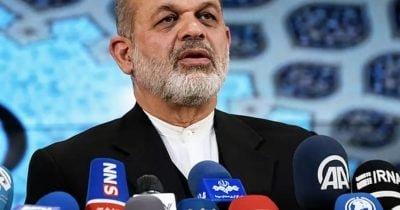
The tragic death of Zahra Mohammadi Golpayegani, the 14-month-old granddaughter of former Iranian Supreme Leader Ayatollah Ali Khamenei, is a stark reminder of the escalating human costs in the ongoing conflict involving Iran. The airstrike, a coordinated effort between U.S. and Israeli forces, aimed at Khamenei's compound in Tehran during the opening phase of the 2026 Iran war. This incident has cast a long shadow over the already fraught geopolitical landscape, particularly as it accompanies a growing death toll that exceeds 3,400 lives.
Human Toll and Regime Instability
This specific airstrike not only results in a devastating personal loss for Khamenei’s family but may also pose a significant threat to his regime’s stability. The catastrophic event highlights the potential for widespread public discontent as the Iranian populace grapples with the implications of a conflict that seems increasingly disconnected from their everyday lives. Analysts suggest that such tragedies might catalyze protests, leading to a further erosion of public support for the government.
Market Implications and Risk Perception
Following this incident, the markets have reflected a slight uptick in perceived risks associated with the Iranian regime’s continuity. Investors and political analysts are keenly aware that Khamenei's demise when or if it occurs could fuel significant instability within Iran. The fallout from this airstrike raises questions regarding the internal dynamics of the Iranian Revolutionary Guard Corps (IRGC) and the likelihood of defections
- Increased civil unrest
- Potential shifts in loyalty within military ranks
- Heightened global scrutiny and response from entities like the U.S.
Geopolitical Landscape and Future Monitoring
The geopolitical atmosphere in the region remains exceptionally volatile. Observers are now focusing on any potential changes in the IRGC's allegiance as a signal of increasing instability within Iran. The upcoming funeral ceremonies for Khamenei and his granddaughter could serve as a critical juncture for gauging public sentiment, especially under the scrutiny of both domestic and international observers. Additionally, the responses from global powers, particularly the United States, may further complicate the already intricate dynamics within the region as tensions escalate.