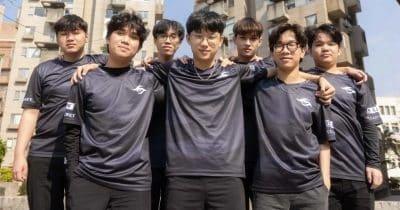
The recent upset at the Mid-Season Invitational 2026 (MSI 2026) where Vietnam’s Team Secret Whales (TSW) defeated China’s Top Esports (TES) in Game 1 of their series underscores a significant shift in the relationship between esports and cryptocurrency. While the victory itself may captivate League of Legends fans, it illuminates the broader implications for crypto markets and esports investments.
Integration of Crypto in Competitive Gaming
As Coinbase sponsors MSI 2026, the integration of their prediction markets has further entwined traditional sports and cryptocurrencies. This model allows users to bet on match outcomes within the Coinbase platform, transforming esports events into more than just entertainment; they become active trading opportunities. The implications here are profound: the TSW victory not only delighted fans but also caused immediate financial repercussions for those engaged in speculation on match results.
Market Dynamics and Upsets
TSW's unexpected victory serves as a reminder of the unpredictable nature of competitive gaming, further fueled by financial speculation. Analysts had predicted TSW's chances to be slim against TES, a seasoned team that entered the bracket as heavy favorites. However, their triumph in Game 1 illustrates how upsets can yield significant market adjustments, providing traders with opportunities to profit from volatility a phenomenon not traditionally seen in esports before the introduction of crypto-linked betting.
Future Prospects of Crypto in Esports
At present, neither TSW nor TES has a direct affiliation with cryptocurrency brands nor associated tokens. This lack of direct involvement highlights the evolving landscape within esports, where monetary aspects increasingly rely on the burgeoning realm of digital finance. Notably, the absence of crypto sponsorships among major teams suggests untapped potential for investment and partnerships in this space.
Furthermore, the venture between Hanwha Life Insurance and Liberty City Ventures to investigate blockchain prospects signifies that traditional esports organizations are beginning to explore digital finance avenues. This gradual convergence between blockchain technology and esports marketing illustrates an important trend that could rapidly evolve, especially as the fanbase expands and digital currencies gain wider acceptance.
In summary, the MSI 2026 upset highlights not just the thrilling nature of esports but also reflects how deeply intertwined these events are becoming with the financial mechanisms of cryptocurrency. Investors and industry stakeholders should carefully analyze these developments, as the future of esports could hinge on how effectively they leverage the possibilities presented by blockchain technologies.