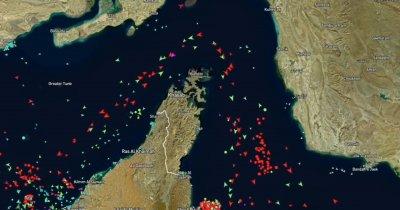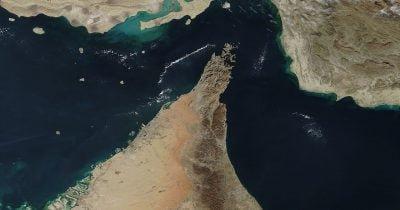
The recent closure of the Strait of Hormuz by Iran has sent shockwaves through maritime traffic, significantly disrupting the flow of vessels through this critical passage for global oil transport. As reported, this drastic measure taken by Iran's Islamic Revolutionary Guard Corps has triggered a noticeable decline in navigation, raising concerns about the broader implications for oil supply chains worldwide.
Oman's statement expressing concern about the situation underscores the regional ramifications of this closure, particularly following drone attacks believed to be orchestrated by Iran. These developments exacerbate already heightened tensions in the area, intensifying the ongoing conflicts involving Iran, the United States, and Israel.
Impact on Oil Supply and Market Sentiment
The ramifications of the Strait's closure are multi-faceted. Market indicators suggest a diminishing likelihood of a quick resolution to the navigation crisis by the end of July, reflecting a pessimistic outlook among traders. This sentiment is crucial as the sustained decline in maritime activity could lead to significant impacts on oil prices and supply chains.
- Ongoing disruptions may escalate prices due to fears of shortages.
- Market adjustments are likely as traders react to the potential for prolonged blockades.
- Increased volatility in oil prices can be anticipated as geopolitical tensions affect supply expectations.
Critical to watch will be the diplomatic and military interactions between U.S. and Iranian officials, as any shifts toward peace agreements could alter market expectations regarding the reopening of the Strait. Additionally, updates from global shipping and energy sectors will provide insights into the economic consequences of this evolving situation, potentially reshaping market dynamics as seen in other geopolitical scenarios, such as Iraq's oil agreements.
This material is informational and not a financial recommendation.