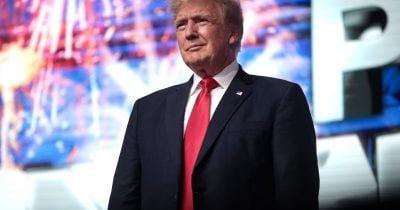
In a striking shift in rhetoric and policy, President Donald Trump has labeled the Iranian regime a “cancer” that necessitates surgical removal. This statement reflects not just a change in tone but potentially a pivotal moment in U.S. foreign policy, particularly amid the intensifying conflict known as the 2026 Iran War. The U.S. and allied forces have resumed military operations against Iranian targets following the collapse of a temporary ceasefire, drawing attention to a renewed commitment to confrontational tactics.
Trump's aggressive posture signifies a departure from previous strategies that aimed more at containment and mitigation rather than outright dismantling of the Iranian regime. Such a transformation suggests that the U.S. is now considering regime change as a viable objective, a notion that resonates with historical precedents of interventionist policies in the Middle East.
Implications for Regional Stability
This evolution in U.S. strategy is particularly consequential, not just for Iran but for the broader geopolitical implications in the region. The language employed by Trump underscores a willingness to escalate military operations, which could trigger further instability, impacting not only Iran but also its neighbors, including Iraq and Afghanistan. The rhetoric of “surgical removal” evokes the possibility of targeted strikes that could destabilize the Iranian regime further, leading to unforeseen consequences and potentially catastrophic responses from Tehran.
The market's reaction to these developments is significant as traders appear to be factoring in the heightened likelihood of political upheaval within Iran. There has been an uptick in speculation surrounding the potential for Reza Pahlavi, the exiled Crown Prince, to return to Iran, possibly as part of a broader transition of power. This speculation can amplify market volatility, particularly in energy sectors and commodities, as uncertainties regarding oil supplies from the region loom large.
Monitoring Future Developments
Investors and geopolitical analysts should closely monitor any announcements regarding Reza Pahlavi's intentions to travel to Iran, as such developments could serve as early indicators of a significant political shift. Additionally, fluctuations in military strategies by U.S. and Israeli forces will be crucial in shaping the evolving landscape in the region. Observers should also stay alert for any signs of defection among Iranian military leaders or endorsements from opposition figures, as these could further influence market dynamics and public sentiment within Iran.
This article is for informational purposes only and should not be interpreted as financial advice.