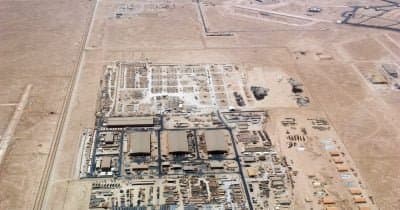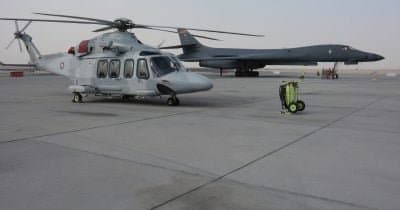
The recent missile attack on the U.S. Al-Udeid Air Base in Qatar by Iran has escalated regional tensions and raised significant questions about the stability of both the Iranian regime and the geopolitical landscape in the Middle East. A spokesperson for Iran’s National Security Commission characterized the strike as both logical and timely, connecting it to ongoing hostilities between Iran, the U.S., and Israel.
This act, part of Iran's Operation Glad Tidings of Victory, marks a pivotal moment as it represents the first direct military action against a U.S. facility in Qatar. The backdrop of this attack is the U.S. and Israeli operations targeting Iran's nuclear sites, known as the Midnight Hammer operation. The interplay of these military actions highlights the precariousness of regional security and the potential for escalation.
In the wake of the missile strike, Qatar took decisive measures by closing its airspace and suspending commercial flights, reflecting the heightened tensions and the threat perceived from Iran. Although the Qatari military intercepted 13 out of 14 missiles, one missile did reach the base, reportedly damaging a radome without causing casualties. Iranian sources, however, claimed significant damage to the Combined Air Operations Center.
The financial markets have responded to these developments, with prediction markets indicating a decreased likelihood of the Iranian regime’s collapse before the end of 2026. This sentiment may suggest a perception of increased stability for the Iranian government, as articulated by the spokesperson’s defense of the missile strike. Such interpretations could influence investment and strategic decisions across various sectors.
Implications for Investors and Analysts
As events unfold, it is critical for investors and analysts to monitor the ramifications of this conflict. Key considerations include:
- The potential for further military actions or diplomatic negotiations that could alter market dynamics.
- Insights into Iran’s internal politics, including any dissent within the IRGC or public protests, which could affect regime stability.
- Broader implications for U.S. involvement in the region and its impact on oil and energy markets.
In summary, the Iranian missile strike is not just a military operation but a significant signal of the shifting geopolitical landscape in the Middle East, which could have lasting effects on market perceptions and regional stability.
This article is for informational purposes only and does not constitute financial advice.