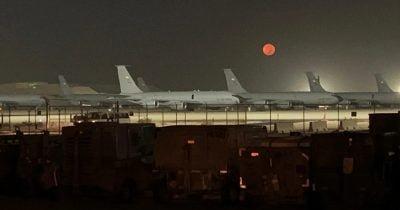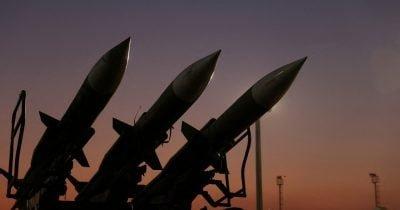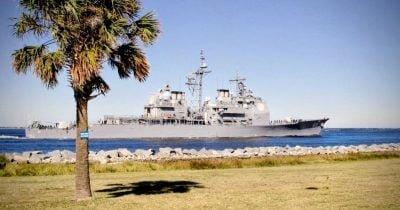
In a notable escalation of the ongoing 2026 Iran War, Iran has initiated retaliatory strikes against several Gulf states, including Bahrain, Kuwait, and Qatar. This response follows a series of US airstrikes on Iranian territory and marks a significant intensification of hostilities, leading to a breakdown of the previously maintained ceasefire.
The Iranian government has made it clear that it considers any nation hosting US military forces as a legitimate target. This strategic posture, coupled with recent attacks on commercial oil tankers in the Strait of Hormuz, has amplified concerns over regional stability and prompted further military reactions.
Market analysts are responding to this heightened tension, with the probability of a full closure of Iranian airspace by July 31 now assessed at 30%, up from 16% just a day earlier. Such a closure could severely disrupt air travel and commercial activities throughout the region, signaling to investors a rising risk of longer-term geopolitical ramifications.
Given the significance of the Strait of Hormuz as a critical corridor for global oil transit, any sustained military conflict or airspace restrictions could lead to increased oil prices and affect supply chains worldwide. The market’s reaction suggests a growing unease among investors and stakeholders regarding potential disruptions in air travel and broader trading activities.
As the situation evolves, observers are advised to keep an eye on communications from Iran’s Civil Aviation Organization and statements from Iranian State Television regarding possible airspace closures. Any further military actions or statements from US leadership could also influence market perceptions and the possibility of a ceasefire or reconciliation.
This article serves informational purposes and does not constitute financial advice.