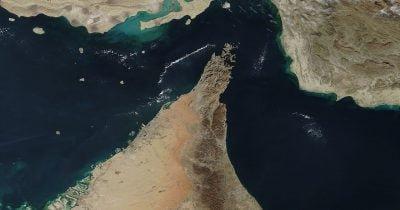
The recent Iranian attack on commercial vessels in the strategically vital Strait of Hormuz has sent shockwaves through global oil markets, illustrating the precarious balance between geopolitical tensions and energy prices. Following the incident, Brent crude oil prices surged by about 5%, surpassing $75.50 per barrel, while WTI crude reached $72 per barrel. This spike highlights the increasing volatility in commodity markets, driven by geopolitical uncertainties.
The U.S. Treasury's decision to revoke a temporary waiver permitting Iran to sell sanctioned crude has implications far beyond immediate price fluctuations. This move could destabilize existing agreements between the U.S. and Iran, raising concerns about a potential fallout that might disrupt oil supply chains further. Observers are now acutely aware that any further disruptions in the Strait could perpetuate an upward pressure on oil prices, as the region remains a linchpin for both oil and liquefied natural gas shipments.
Market analysts are closely monitoring developments regarding the Iranian Navy's operations in the Strait of Hormuz. Continued closures in the area could imply a sustained rise in WTI prices. Moreover, any statements from the White House or OPEC+ regarding potential production adjustments would be pivotal in shaping market expectations moving forward. The situation underscores the necessity for investors to remain vigilant as the potential for further geopolitical developments remains high, capable of triggering significant shifts in oil pricing scenarios.
This material is informational and should not be considered financial advice.