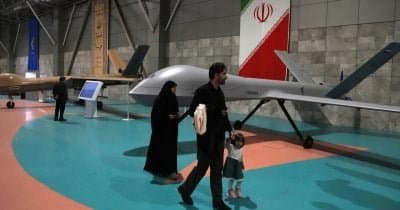
In a significant escalation, Iran has reportedly tripled its drone production capacity, as announced by military officials. This move comes amidst a backdrop of internal discord within the Iranian government regarding its approach to the United States. While some leaders push for negotiations, others advocate for a more confrontational stance. This duality not only complicates Iran's political landscape but also raises critical questions about the implications for regional security and market sentiment.
The announcement from Iran's Caretaker Defense Minister, Majid Ebn al-Reza, serves as a declaration of military strength amid ongoing conflicts, notably the 2026 Iran War. This war was escalated by U.S.-Israeli airstrikes, which have prompted retaliations from Iran. The surge in drone production is not merely a matter of military capability; it is a strategic message to both domestic and foreign audiences about Iran's resolve to defend its interests.
However, it's crucial to note that the claims of enhanced drone production remain unverified, which casts a shadow over their credibility. The political divide is stark, with President Masoud Pezeshkian favoring a peace deal and hardliners like IRGC Commander Ahmad Vahidi resisting such overtures. This internal tug-of-war might lead to unpredictability in Iran's military actions, particularly concerning potential aggression towards Gulf states.
The Market's Reaction and Future Implications
Market analyses reveal that traders have interpreted this announcement as increasing the likelihood of military confrontations. Recent data suggests that the perceived probability of Iran engaging in military actions against Gulf states has escalated to an alarming 77%. Such developments instill a sense of urgency in the market, affecting oil prices and investor strategies in the region.
It is essential for investors and analysts to remain vigilant regarding future military announcements from Iranian officials. The internal political dynamics will be crucial in shaping Iran's military posture and, consequently, market perceptions. Observers should closely monitor any shifts in the leadership's stance on peace negotiations as these could significantly pivot the market's expectations.
Potential Outcomes
The consequences of Iran's increased drone production could ripple throughout the region. A potential increase in military engagements may not only destabilize the Gulf but also lead to heightened tensions that could affect global oil supply chains. Investors should be prepared for volatility as Iran's actions may provoke responses from neighboring states and international powers.
This article is informational and should not be construed as financial advice.