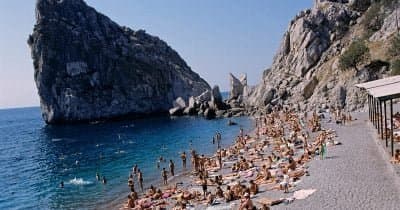
In the face of significant military and infrastructural challenges, Crimea continues to attract Russian tourists during the summer season. Despite the backdrop of Ukrainian drone strikes targeting key military and energy assets, the influx of vacationers suggests a complex interplay of resilience and perceived stability under Russian control.
Current Situation in Crimea
Since its annexation in 2014, Crimea has been at the center of geopolitical tensions. Recent Ukrainian military operations have escalated with long-range drone attacks disrupting essential services, leading to fuel shortages and power outages. These conditions pose challenges not only for local residents but also for the tourism industry, which is critical to Crimea's economy.
Yet, the continued presence of Russian tourists might indicate a semblance of normalcy. Their willingness to vacation in an area marked by conflict could reflect a broader sentiment of stability among the Russian populace, potentially reinforced by state narratives and media portrayals that emphasize control over the region.
Implications for Market Perceptions
The ongoing tourism amidst military operations presents intriguing implications for market dynamics. The resilience of the tourist sector may suggest to investors a decreased likelihood of Ukraine effectively regaining control over Crimea in the short term. Market pricing currently seems to favor a scenario where Russian governance remains intact, at least until the end of 2026.
This scenario is crucial for understanding the local and regional economic landscape. If the situation stabilizes and tourism continues unabated, it could signal to the world that Russian control over Crimea is more entrenched than previously thought. Conversely, any significant shifts in military engagements or infrastructure recovery efforts could quickly alter these perceptions.
Future Developments to Watch
As both Ukrainian and Russian military strategies evolve, observers will need to monitor various factors that could impact Crimea's stability. Key areas of focus should include:
- Changes in Ukrainian military tactics that might escalate tensions.
- Russian defensive strategies aimed at securing the peninsula.
- The response from Russian authorities in terms of ensuring tourist safety and managing perceptions.
The outcome of these developments could significantly influence how markets view the overall situation in Crimea and its implications for regional security dynamics.
This article is for informational purposes only and does not constitute financial advice.