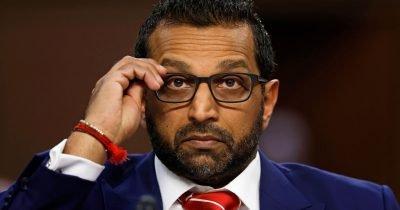
The recent directive from the White House appointing FBI Director Kash Patel to investigate alleged leaks related to a supposed cover-up involving President Trump and Jeffrey Epstein marks a significant development in the ongoing scrutiny of political leaks. This move underscores a broader agenda within the Trump administration aimed at identifying and mitigating politically motivated disclosures that could undermine their narrative.
The investigation is largely inspired by a New York Times article asserting that there was collusion among officials in the Situation Room to suppress information regarding Epstein. By placing Patel at the forefront of this investigation, the administration signals its commitment to cracking down on media leaks, a tactic that has become increasingly pivotal in the current political climate.
Patel's history with past leak inquiries suggests that the administration is not only doubling down on its approach but also reinforcing his role as a steadfast figure within the FBI. Market reactions indicate a decreased likelihood of his departure, reflecting confidence in his continued leadership amid this crackdown. The directive to Patel is not merely about managing leaks; it also serves as a strategic move to bolster his position within the agency.
Looking ahead, the situation warrants close monitoring. The potential for official statements from either the White House or the FBI could have immediate implications for Patel's standing. A show of support from President Trump, or successful public outcomes from the investigation, may solidify Patel's role further. However, any unforeseen events, such as Senate hearings or credible whispers of a potential replacement, could alter market sentiment dramatically, shifting perceptions of Patel’s stability.
In a highly charged political environment, the implications of this investigation could resonate beyond the immediate context, highlighting a growing tension between media accountability and political transparency. As the administration intensifies its efforts, the broader impact on public trust and the media landscape remains to be witnessed.
This material is informational and should not be considered financial advice.