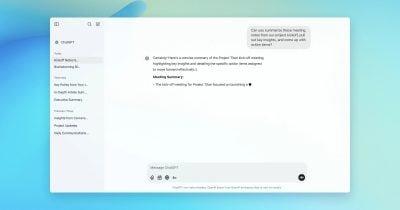
OpenAI's recent decision to discontinue group chats in ChatGPT marks a significant pivot in the platform's user interaction strategy. Launched just eight months prior, this feature allowed up to 20 users to engage collaboratively with AI, sharing ideas and resources in real time. However, as of July 9, 2026, users will no longer be able to create new group chats or add participants to existing ones, transforming ongoing conversations into read-only archives. This change underscores OpenAI's intention to simplify the user experience and focus on direct messaging, which could redefine how users interact with AI.
The Context of Change
Introduced in November 2025 as a pilot in select markets including Japan and South Korea, the group chat feature aimed to enhance collaborative brainstorming. Despite its initial promise, OpenAI has deemed it necessary to pivot away from group interactions, citing insights gained during its brief operational period. The user feedback highlighted the complexity of managing multiple participants and maintaining coherent conversations, which likely informed the decision to streamline features. This reflects a broader trend in tech, where usability often takes precedence over feature richness.
Details of the Transition
From July 9, the withdrawal of this feature means that while past group conversations will remain accessible for reference, no new interactions can take place within these threads. The individual ChatGPT conversations will remain intact, but the collaborative aspect has been significantly curtailed. OpenAI's framing of this transition as part of a broader effort to enhance user experience suggests a future focus on features that prioritize direct interactions over group dynamics.
Implications for Users and the Market
This strategic shift towards direct messaging may signal OpenAI's ambition to mold ChatGPT into a more socially-engaged platform. As competition in the AI narrative service market intensifies, the move could influence not just user engagement but also collaborative workflows across various sectors. By prioritizing simplicity and usability, OpenAI aims to attract a broader audience that may have found group functionalities too cumbersome. Additionally, this could have downstream effects on AI's adoption in educational or organizational settings where group collaboration was seen as beneficial.
This content is for informational purposes only and does not constitute financial advice.