Jamie Dimon, CEO of JPMorgan Chase, recently highlighted AI-powered cyber threats as the preeminent risk facing the United States. This assertion, delivered during the bank's Q1 2026 earnings call, carries significant implications, particularly for the decentralized finance (DeFi) sector that may lack the robust cybersecurity infrastructure typical of large financial institutions.
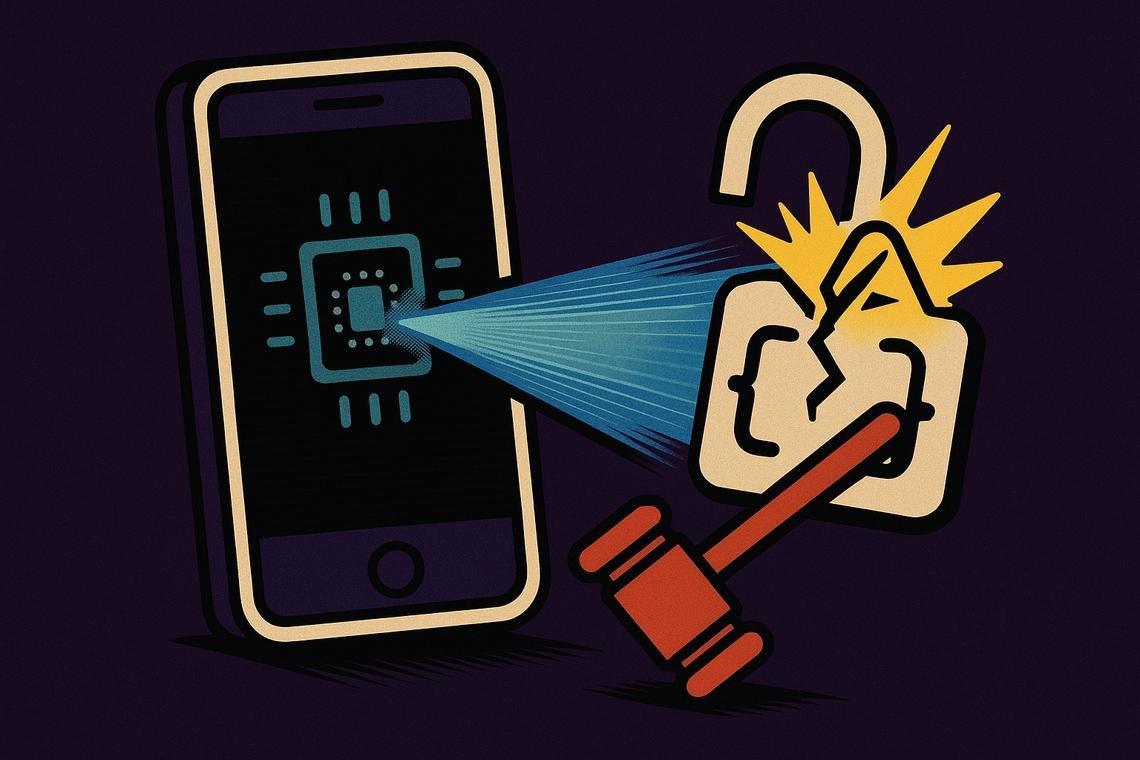
JPMorgan commits a staggering $600 million annually to safeguard against these threats, leveraging a dedicated workforce to tackle vulnerabilities. Nonetheless, Dimon cautioned that the rise of AI not only complicates cybersecurity but fundamentally transforms it, as AI tools like Anthropic’s Claude Mythos can scan for software vulnerabilities more swiftly than traditional methods. Such advancements enable cybercriminals to exploit weaknesses before organizations can mount effective defenses.
Dimon's alarming comparison of unchecked AI risks to “a nuclear weapon in the hands of someone” underscores the potential for catastrophic failures in security systems, a sentiment echoed in the current atmosphere of heightened awareness around cybersecurity. This is not merely a technical issue; the stakes involve the financial security of countless users and investors, particularly within the DeFi ecosystem. With projects operating on minimal budgets for cybersecurity, the landscape remains perilous.
The parallel drawn to nuclear weaponry amplifies the urgency for comprehensive risk assessments within DeFi protocols. Unlike traditional finance, which enjoys significant resources from institutions like JPMorgan, many DeFi projects operate with limited funding and manpower, making them attractive targets for sophisticated AI-enabled attacks.
As organizations scale their defenses against AI-oriented threats, the DeFi sector must reconsider its strategies. The rapidly evolving cyber threat landscape demands innovative solutions and collaboration among developers to strengthen security protocols. Otherwise, as Dimon aptly warned, the existing frameworks may become obsolete, leaving a vast majority of users exposed to unprecedented risks.
This material is for informational purposes only and should not be considered financial advice.