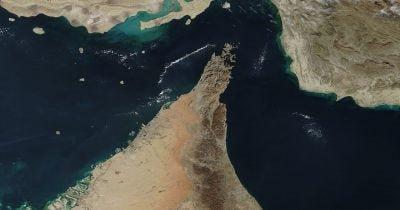
The recent declaration by Oman against mandatory transit fees in the Strait of Hormuz marks a significant diplomatic shift that could have substantial ramifications for global energy markets and, by extension, the cryptocurrency space.
Understanding the Stakes
Oman's Foreign Minister, Badr bin Hamad Al Busaidi, took a strong position at the United Nations, asserting that tolls for passing through the Strait of Hormuz are illegal under international law. This development directly challenges Iran's proposals for obligatory transit fees, which would allow Tehran to collect revenues from all vessels using this vital shipping channel.
Why is this position critical? The Strait of Hormuz is responsible for transporting approximately 20% of the world’s oil, and any fee imposition could ripple across various markets, including commodities and cryptocurrencies that are sensitive to energy costs.
- The Strait handles 20% of global oil trade.
- Iran seeks mandatory tolls to generate revenue.
- Oman proposes voluntary service fees for navigational safety and pollution prevention.
The Broader Implications
Iran’s push for mandatory fees could translate into significant cost increases for oil and gas shipped by major exporters like Saudi Arabia and the UAE. If such a fee structure is implemented, the immediate consequence would be higher transportation costs, which could, in turn, elevate energy prices globally.
Conversely, Oman’s advocacy for voluntary fees could permit a more stable shipping environment with minimal additional costs imposed on shipping operations. This distinction between mandatory and voluntary fees is crucial; the former could function like a de facto tax on energy imports, leading to broader inflationary pressures, while the latter would likely lead to negligible changes in transportation expenses.
Looking Ahead: What’s Next?
As the situation evolves, energy traders and crypto investors should keep a close watch on further developments related to maritime regulations in the Strait of Hormuz. Oman's alignment with international law could play a pivotal role in influencing the geopolitical landscape and pricing structures for oil and gas exports. Additionally, stakeholders in the cryptocurrency market should be aware of how shifts in energy prices could eventually filter down to impact digital assets tied to commodities.
This material is for informational purposes only and does not constitute financial advice.