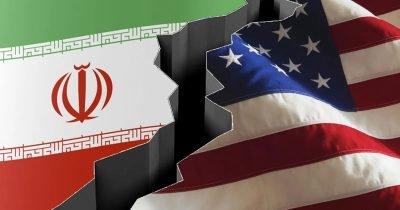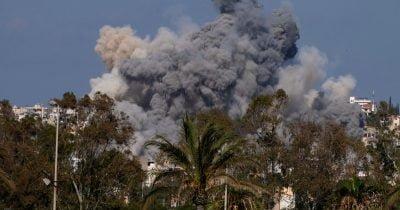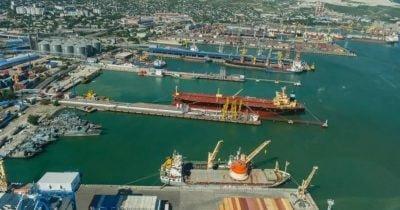
The recent US military strike on Iran's Chabahar port, which took place on July 8-9, 2026, carries significant geopolitical implications, particularly for regional trade dynamics and the broader US-Iran relationship. This strike, which targeted Iran's only deep-water port on the Indian Ocean, destroyed the control tower and damaged essential marine piers, thereby escalating tensions in an already volatile landscape.
Why This Strike Matters for Global Trade
The Chabahar port serves as a critical access point for India into Afghanistan and Central Asia through the International North-South Transport Corridor (INSTC). The importance of such a corridor cannot be overstated, especially for India, which aims to reduce dependency on Pakistan for trade routes. The recent strike not only highlights the fragility of this infrastructure but also raises questions about the future of trade in the region.
- Destruction of Chabahar's control tower and damage to Shahid Beheshti and Kalantari piers
- Indian investments in Chabahar as part of a strategy to enhance connectivity
- Expiration of US sanctions waivers in April 2026 adds economic pressure on operations
Context of the US-Iran Relationship
The US military action at Chabahar marks a notable escalation in relations, especially following prior announcements from President Trump regarding increased military focus on Iran. American officials argued that the strike was necessary to mitigate risks to commercial shipping. However, Iranian media provided no such justification, pointing instead to the potential long-term impacts of this offensive.
By targeting a strategic piece of infrastructure, the US aims to exert pressure on Iran, yet such actions may also inadvertently jeopardize India's critical access to regional markets. This could catalyze a re-evaluation of regional partnerships and alliances.
Looking Ahead: Potential Consequences and Future Developments
The fallout from this military strike will likely prompt shifts in India’s regional strategy, potentially leading to increased collaboration with alternate trade partners. The economic feasibility of continuing to invest in Chabahar will also be called into question, complicating India’s plans to solidify its Position in Central Asia.
Investors and markets should closely monitor how this incident influences broader geopolitical trends, especially regarding energy security and trade routes. Any escalation from further US actions could destabilize not only regional relations but also global markets, given the interconnected nature of today’s economic landscape. Further developments are expected as nations reassess their strategies in the wake of this military action.
This material is for informational purposes only and should not be considered financial advice.