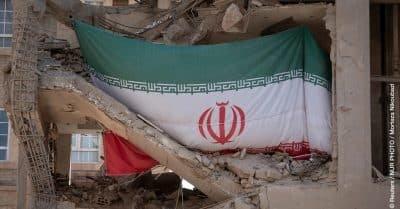
In recent months, despite stringent sanctions and ongoing domestic struggles, support for Iran's regime seems to have gained resilience. This shift raises important questions about the underlying dynamics of power in the country and its implications for regional stability.
Why This Development Matters
The resilience shown by the Iranian government amidst severe economic distress highlights an interesting aspect of political psychology. Typically, one would expect that inflation exceeding 50% and widespread poverty would precipitate widespread dissent against the ruling authority. However, the persistence of loyalty to the regime may suggest that external pressures, including those from the U.S. and Israel, have inadvertently reinforced national sentiments and internal solidarity. This scenario could stabilize the regime in the short term, providing it with a stronger foothold against critics.
- Inflation in Iran exceeds 50%.
- Millions are facing poverty.
- A recent Memorandum of Understanding initiated a 60-day sanctions relief process.
Furthermore, the government's continued crackdown on protests seems to have effectively contained dissent, fortifying President Masoud Pezeshkian's position. As market indicators reflect a moderate decline in the likelihood of his departure by year-end, the political landscape appears, at least temporarily, more stable than previously anticipated.
The Potential Impact of Sanctions Relief
The recent U.S.-Iran Memorandum of Understanding marks a critical juncture in the diplomatic engagement between the two nations. If this effort yields a genuine thaw in relations, it could alter the domestic political calculus significantly. Analysts are closely watching how this sanctions relief process may bolster or undermine government support in Iran. The potential for improved economic conditions might shift public sentiment, providing the regime with the much-needed breathing space to consolidate power further.
Market participants are also expected to pay attention to any provocative statements from influential Iranian leaders, such as Ayatollah Ali Khamenei. These pronouncements could either stabilize or unsettle President Pezeshkian's position, thus impacting investor confidence.
Future Considerations and What to Monitor
As the dynamics surrounding the U.S.-Iran agreement continues to unfold, several factors will warrant close scrutiny:
- The effectiveness of sanctions relief and its impact on Iran’s economy.
- Public sentiment as conveyed through protests or lack thereof, in response to economic conditions.
- Statements and actions from key Iranian figures that may influence both domestic and foreign perceptions of stability.
In summary, while the Iranian regime appears resilient for now, the interplay between economic conditions, public sentiment, and diplomatic relations remains complex and fluid. How this balance evolves will be pivotal for both potential investors and policymakers dealing with the region.
This material is for informational purposes only and does not constitute financial advice.