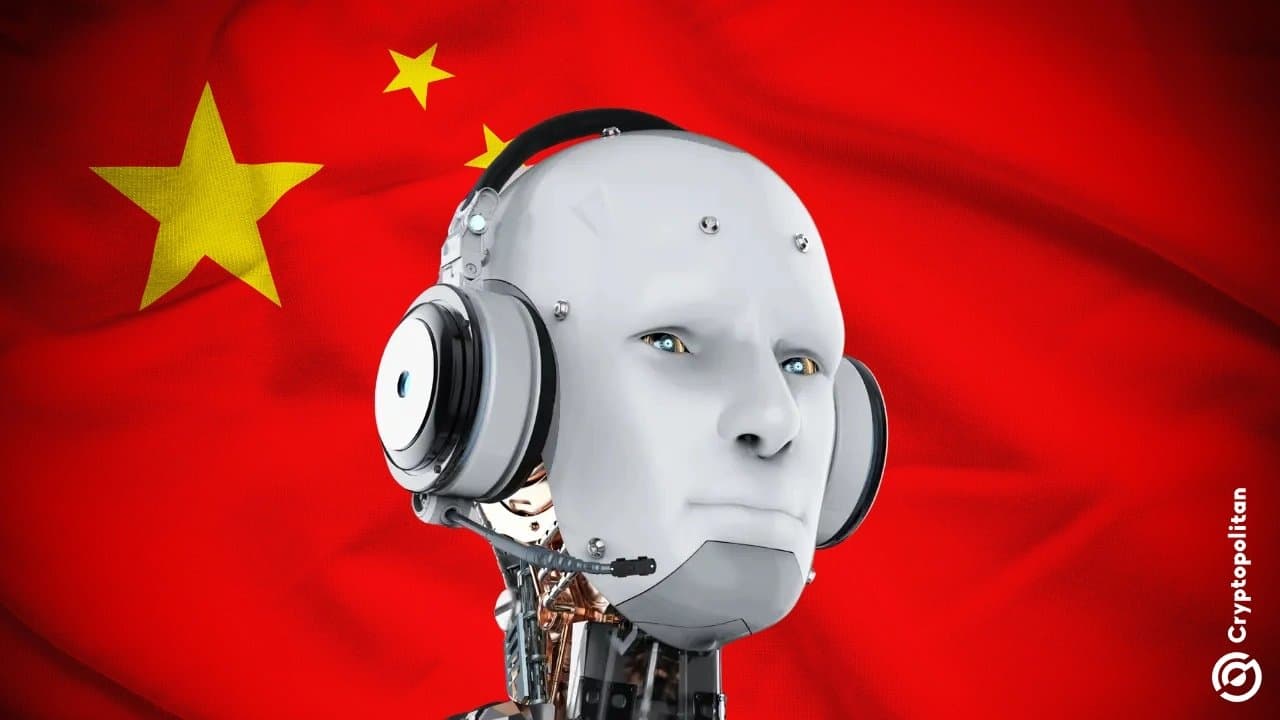
"China has already taken the lead," remarked Jiang Lei, chief scientist at the National and Local Co-Built Humanoid Robotics Innovation Center in Shanghai. That statement carries weight given China’s recent milestone: surpassing 400 complete humanoid robot models, a figure that now accounts for more than half of the global market. This leap is not just about numbers but signals a strategic consolidation in embodied intelligence, particularly in manufacturing capabilities, datasets, and training environments. The country’s robotics sector is moving beyond incremental growth to a scale that challenges existing global hierarchies.
Data from China’s Ministry of Industry and Information Technology reveals that in the first half of 2026, Chinese quadruped robots made up nearly 70% of global sales, underscoring a dominant position. Zhejiang province plays a critical role, responsible for over 1 billion yuan (approximately $147 million) in robot shipments, with intelligent bionic robots representing about 60% of China’s total exports during this period. These figures highlight a solid supply chain and export infrastructure that supports not only domestic innovation but also global distribution channels.
The rapid expansion extends beyond robotics into artificial intelligence and related sectors, where China added 67 new unicorns in the first half of the year, the second-best performance since 2021. More than half of these unicorns focus on AI and robotics, led by companies like DeepSeek. This concentration of high-growth startups is fostering a competitive ecosystem that could accelerate technological breakthroughs and commercialization, potentially reshaping global tech competition.
Manufacturing output reflects this momentum: after producing roughly 20,000 humanoid robots in 2025, China already built over 40,000 units in the first half of 2026, putting it on track to exceed 100,000 by year-end. This scale-up will pressure international rivals to innovate faster or risk losing market share. The implications for investors are significant as China’s leadership in robotics and AI could tilt supply chains, talent flows, and capital investments. Observing this trajectory offers insight into potential shifts in the broader technology landscape and strategic considerations for global stakeholders.
This material is for informational purposes only and does not constitute financial advice.