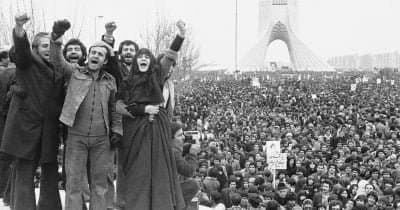
On July 21, 2026, the Shiraz Revolutionary Court sentenced Mojtaba Dehbendi and Kianoush Hamzeei Kazerooni to death, accusing them of aiding injured protesters and arson. These verdicts come amid Iran's ongoing nationwide protests that began in January 2026 and have been met with a heavy-handed government crackdown.
Amplifying Political Instability Through Judicial Repression
The sentencing is consistent with the Iranian regime's strategy to suppress dissent through harsh legal measures. The court had previously imposed death penalties during the "Women, Life, Freedom" protests, positioning itself as a key tool for enforcing state control and intimidating opposition.
This hardline approach signals an escalation in government efforts, reflecting rising political tensions and increasing unrest across the country. The targeting of individuals involved in protest support activities rather than direct violence indicates a broader scope of repression designed to hinder any form of resistance.
Such judicial actions are likely to fuel further unrest by exacerbating grievances among protesters and supporters of the opposition movement. They can also intensify international condemnation, which might lead to additional sanctions or diplomatic isolation, increasing economic and geopolitical risks for Iran.
The market has already priced in a growing perception of regime vulnerability, with a slight uptick in the odds of Iran's regime collapsing before 2027. This elevated risk perception impacts not only regional stability but also global markets sensitive to disruptions in Iranian oil supply and geopolitical flows.
Observers should watch for further trials and executions of protesters, as well as signs of internal fracturing within Iran's security apparatus. Defections among IRGC commanders or mass protests overwhelming security forces could be critical inflection points influencing both internal dynamics and external investor sentiment.
Judicial repression now appears calibrated to escalate tensions rather than quell them, suggesting a volatile trajectory ahead for Iran’s domestic politics and its role in global markets.
This material is informational and not financial advice.