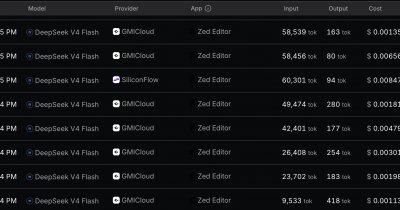
The landscape of AI development in the United States is undergoing a significant transformation. Following a rapid rise, Chinese AI models now account for over 30% of token usage on OpenRouter, an API aggregation platform favored by developers. This trend reveals a decisive shift influenced largely by cost advantages over Western models something that merits careful analysis.
Understanding the Shift in AI Model Preferences
The surge in adoption of Chinese AI models began gaining traction well before February 2026, though the data from that period marks a turning point: models from China captured 30% of usage as of late February, peaking at an astounding 46%. This marks a staggering increase from just 11% in the previous year. A joint analysis highlighted that these models rose from a mere 1.2% in late 2024, underscoring the rapid pace of their integration into the AI ecosystem.
- Chinese models peaked at 46% of total token usage on OpenRouter.
- They accounted for 61% of token volume among the top 10 models in one week.
- Cost reductions of 60% to 90% compared to offerings from providers like OpenAI.
The Significance of Cost in AI Model Adoption
In the context of this growth, the pricing dynamics play a crucial role. Chinese AI models not only provide competitive performance, but they are also significantly cheaper on a per-token basis, often 60% to 90% less expensive than similar options from established Western companies. This price disparity is compelling developers to pivot towards these offerings, as there is no rigid commitment to proprietary models, thereby reducing barriers for switching between different models.
This cost-driven shift signals that the gap in performance is closing; many developers now prioritize affordability alongside capability. With open-weight models being publicly accessible, the ease of switching between these alternatives enhances their appeal further.
Implications and Future Considerations
The rise of Chinese AI models has broader implications for the AI market, indicating a potential paradigm shift in model selection based on economic viability rather than just brand reputation or geopolitical considerations. As this evolution unfolds, it raises questions regarding the future of Western AI giants in a landscape where cost efficiency increasingly dictates market dynamics.
Investors and industry observers should be attentive to developments in AI model performance and price trends, especially how Chinese innovations continue to challenge established players. As the market evolves, the narrative could shift rapidly based on emerging technologies and competitive practices.
This material is for informational purposes only and is not financial advice.