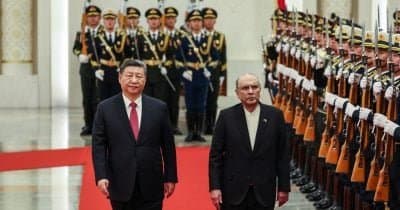
In a significant diplomatic move, China and Pakistan have jointly called for a ceasefire and renewed talks between the United States and Iran. This appeal, made public by China’s Foreign Ministry, comes in response to the ongoing conflict that has escalated since February 2026, involving the U.S., Israel, and Iran. The two nations emphasize the necessity of honoring a previously established Memorandum of Understanding, which aimed to facilitate negotiations through a 60-day ceasefire.
The call for renewed diplomacy signals a notable shift in China's role. Historically seen as an observer in Middle Eastern affairs, Beijing is now positioning itself as an active mediator. This transition could reshape the geopolitical landscape, particularly in light of the region's critical role in global energy supply chains. With the Strait of Hormuz being a vital passage for oil shipments, the reopening of this route is crucial for maintaining the flow of global oil supplies.
Market reactions indicate a heightened anticipation for a potential diplomatic meeting between the U.S. and Iran, with speculation that the UAE could serve as the venue. Investors are closely observing any announcements from key figures such as President Trump or Iranian officials, which could signal the resumption of talks. If the UAE is confirmed as the meeting site, it could lead to a significant shift in market dynamics, influencing pricing trends in related prediction markets.
As tensions in the Gulf continue to escalate, the implications of any successful diplomatic outreach cannot be overstated. The efforts by China and Pakistan may pave the way for a more stable region, which is essential for economic activities and energy stability. The growing involvement of these nations in mediating U.S.-Iran relations could lead to a re-evaluation of alliances and influence, particularly in terms of energy diplomacy. Such developments might also resonate within the broader context of geopolitical shifts that have been discussed in related articles like “Escalating Tensions in the Gulf: Implications for Oil and Crypto Markets” and “What the US-Iran Conflict Means for Global Energy Markets”.
This article is for informational purposes only and should not be considered financial advice.