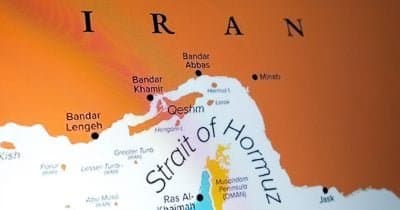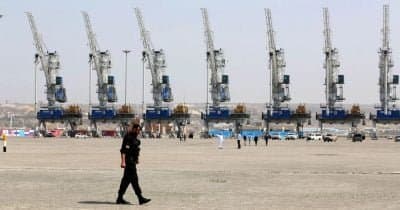
Following a U.S. military strike that obliterated the maritime control tower at Iran’s Kalantari Port in Chabahar, concerns about regional stability have surged. This strike marks the third U.S. attack in less than a week, coinciding with President Trump's declaration of the end to the April 2026 ceasefire with Iran. The implications extend well beyond immediate military actions, affecting critical trade routes that connect countries like India and Afghanistan.
The chaos resulting from this escalation has manifested itself in the shipping market, with the price for the 'Zero Ships Transit Hormuz' market rising sharply from 7% to 19% in just 24 hours. Such a significant jump shows the heightened anxiety among market participants regarding the security of oil shipping through the already crucial Strait of Hormuz. With this strait being a key artery for global oil supplies, the volatile situation could lead to extended disruptions affecting energy prices worldwide.
Market analysts are closely observing these developments, as escalating military actions are likely to result in increased perceived risks among investors. The emphasis from U.S. Central Command and Iranian military leaders on strategic infrastructures signals to traders that they should brace for further volatility. The dynamics surrounding shipping routes, especially through the Strait of Hormuz, remain precarious.
Moving forward, stakeholders must stay vigilant for further military operations from both the U.S. and Iran that could alter the space within this vital region. Statements from military commanders could provide crucial insights into future actions. As geopolitical tensions mount, the potential for rapid shifts in both diplomatic and market environments looms heavily on investors and traders alike.
This material is informational and should not be construed as financial advice.