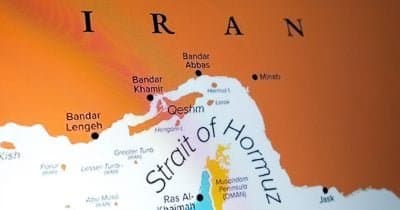
The recent escalation of tensions between the United States and Iran signifies a shift in the Middle East’s geopolitical landscape, primarily affecting global energy markets. With the US launching its sixth consecutive night of strikes against Iranian military targets, Iran retaliated by targeting American bases in Bahrain, Kuwait, and Qatar. This cycle of violence is centered around the Strait of Hormuz, a vital artery for oil shipments, which handles roughly 20% of global oil trade.
Escalation of Military Actions
Following the collapse of a temporary ceasefire, military actions are intensifying, raising alarms among European nations. As Iran responds with direct attacks, the fear of disrupted oil supplies has immediate implications for the energy sector. The current market sentiment reflects a growing pessimism regarding a potential US-Iran deal, previously viewed as a means to stabilize the region. Market odds for such a deal have plummeted to just 26%, indicating a severe setback in diplomatic efforts.
Impact on Energy Security and Market Reactions
With European nations increasingly concerned about regional stability, the focus on energy security has sharpened. The likelihood of further military escalation could lead to significant fluctuations in oil prices, which depend heavily on the security of shipping routes through the Strait of Hormuz. Investors and analysts are urged to track developments closely, particularly any signs of diplomatic engagement or de-escalation by either military side.
Given the interconnected nature of global markets, any disruptions to oil supply chains not only affect prices but could also reverberate across multiple sectors, leading to inflationary pressures. Consequently, the situation calls for vigilance from market participants as they prepare for potential fallout from this evolving crisis.
This material is informational and should not be considered financial advice.