The recent missile and drone strikes by Iran’s Islamic Revolutionary Guard Corps (IRGC) targeting US radar systems in Oman and military facilities in Bahrain signal a significant escalation of hostilities in the Persian Gulf. This region, crucial for global oil supply, is once again thrust into the spotlight as geopolitical tensions heighten.
Context of the Attacks
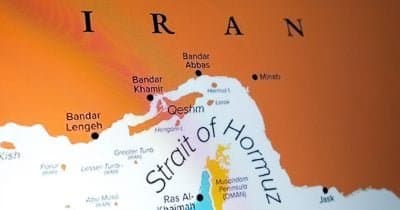
On July 13, the IRGC conducted these operations as a direct response to US airstrikes on Iranian territory. The strikes not only targeted radar systems but also aimed at US-linked infrastructure across several Gulf states, including Kuwait and Jordan. This breadth of engagement illustrates a substantial shift in Iran's military posture, raising alarms about potential disruptions to oil supply routes, especially through the strategically vital Strait of Hormuz, which accounts for approximately 20% of the world’s oil supply.
Potential Market Consequences
The implications of this escalation are significant for both the oil market and the cryptocurrency sphere. With heightened tensions, oil prices are likely to face upward pressure, as markets react to the prospect of supply disruptions. Investors should closely monitor the situation, as historical patterns indicate that periods of conflict often see increased interest in cryptocurrencies as safe-haven assets. For instance, during the April 2024 drone and missile strikes against Israel, Bitcoin initially dipped but later rebounded, suggesting that crypto can serve as a hedge in times of geopolitical uncertainty.
Furthermore, the region's currency peg to the US dollar provides some stability; however, local currencies could still experience volatility. As stablecoin volumes typically rise during conflicts, the ongoing situation could lead to increased utilization of cryptocurrencies in affected areas.
The Need for Verification
While the IRGC's claims of successful strikes on US radar systems are alarming, the lack of independent verification raises questions about the extent of the damage and the authenticity of Iran's military narrative. If confirmed, the degradation of US maritime domain awareness would significantly complicate naval operations in a region already fraught with tension.
As events unfold, investors must remain vigilant, assessing not only military developments but also their potential impact on oil and cryptocurrency markets. The situation remains fluid, and the stakes are high for both energy supply and global financial stability.
This article serves informational purposes only and does not constitute financial advice.