In a striking reflection of public sentiment, 79% of Americans anticipate a prolonged military engagement with Iran. This poll result emerges amidst President Donald Trump's recent notification to Congress regarding resumed military actions on July 7, which allows for 60 additional days of military operations without congressional consent.
The survey, conducted by Reuters/Ipsos with 1,019 participants, highlights that only 18% of respondents foresee a quick resolution to the conflict, indicating widespread anxiety about the potential for escalation. This perception may become increasingly critical as the midterm elections approach, where rising fuel prices could affect Republican chances at the polls.
With Trump claiming that military operations against Iran resumed on June 26 after attributing attacks on commercial vessels to Tehran, public support for these strikes appears lukewarm, with only 37% in favor. This skepticism is echoed in earlier polls, where a Financial Times survey found that 58% of voters deemed the conflict not worth its costs, and a Generation Lab survey revealed that 77% of younger adults viewed the strikes negatively.
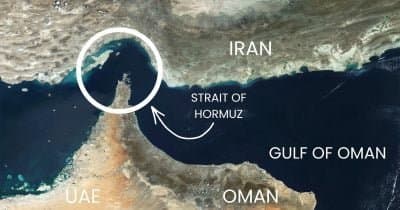
As tensions mount, the Trump administration has taken a firm stance on controlling the Strait of Hormuz, threatening to impose a 20% tax on all cargo passing through, further exacerbating market fears. The immediate market reaction was palpable; crude oil prices surged nearly 4%, reflecting concerns that the strait, a critical chokepoint for oil shipments, could be disrupted for an extended period.
The economic implications of this conflict are significant, with 60% of respondents predicting higher gasoline prices in the coming year. Current prices hover around $3.87 per gallon, a stark contrast to pre-war levels.
As the political landscape shifts ahead of the November midterms, Trump's fluctuating approval ratings reported at 59% by him but closer to 39% according to New York Times trackers indicate increasing pressure on the Republican party, potentially jeopardizing their hold on Congress.
This material is informational and not financial advice.