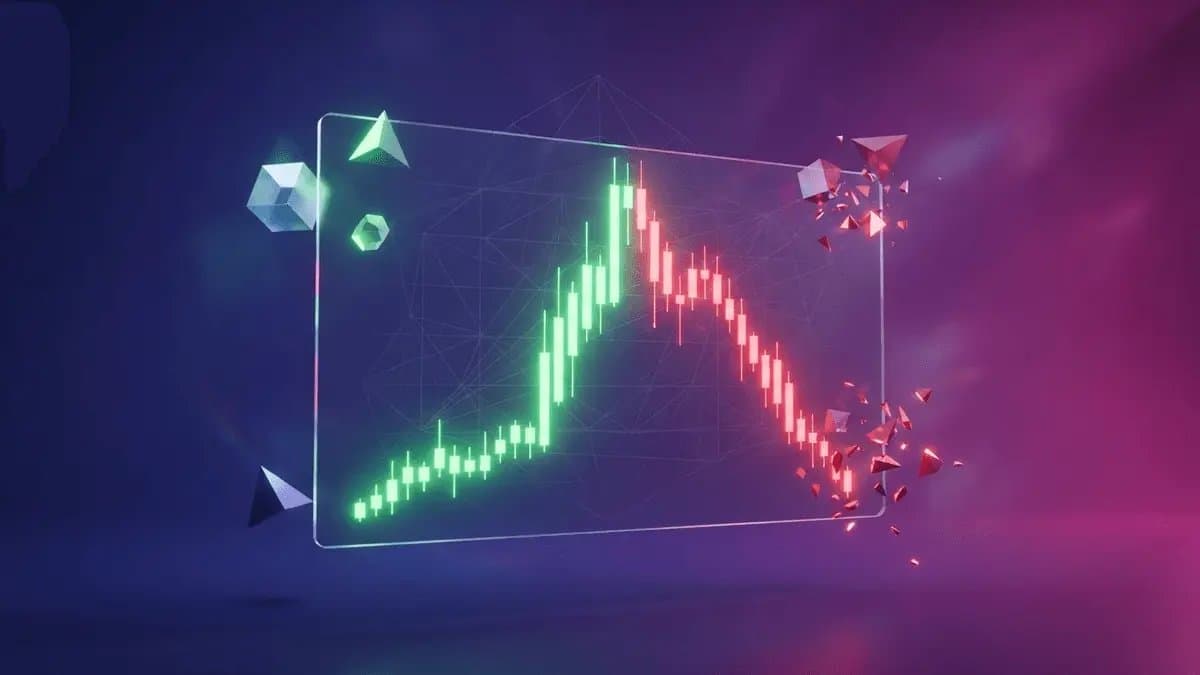
Perpetual trading volumes have plummeted by nearly 70% this year, signaling a deeper shift rather than a mere market contraction. Once hailed as a revolutionary mechanism offering endless use without expiry, perpetual contracts now expose their double-edged nature: potential for massive gains comes hand-in-hand with amplified risks that can rapidly erode capital.
These derivatives attracted retail and institutional traders aiming for high returns, but the steep drop in participation suggests growing wariness amid volatility spikes and liquidation cascades. The structure that enables continuous positions without rolling expiration demands rigorous risk management something often underestimated.
Meanwhile, the decline reshapes liquidity dynamics, with fewer market makers willing to support perpetual swaps under ongoing price shocks. This thinning of liquidity can exacerbate price swings, amplifying systemic vulnerabilities within crypto exchanges.
For investors, understanding the pitfalls behind this 70% volume decline is key. Aggressive use embedded in perpetual contracts can accelerate profits but also compound losses in unpredictable ways, especially during chaotic markets. It underlines the importance of stress-testing strategies beyond bull runs and adapting to the evolving risk landscape in derivatives markets.
Ultimately, this contraction highlights the tension between innovation and stability in crypto trading products. As perpetual contracts shift from hero to potential hazard, market participants must recalibrate expectations and controls or risk rapid capital erosion amidst persistent turbulence.
This article is for informational purposes only and does not constitute financial advice.