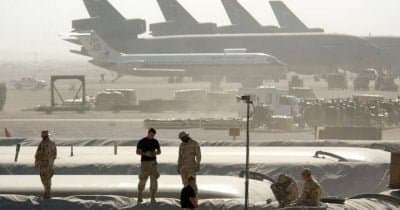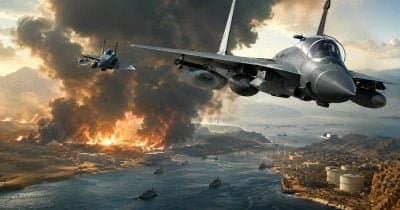
July 23. American forces carried out airstrikes along the Iran-Iraq border overnight, killing two people, Al Jazeera reported. It was the 12th consecutive night of U.S. military operations in the region.
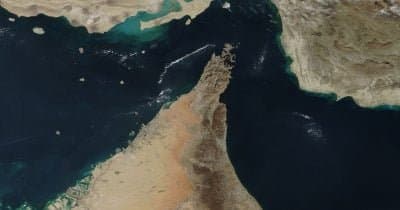
Fires broke out on ships in the Strait of Hormuz and the Bab al-Mandeb, two chokepoints that together handle a substantial share of global oil and container traffic. Both passages were already under pressure from months of regional tension.
The pattern of strikes and retaliatory actions has settled into what analysts describe as a limited but intensifying military phase, with Washington focused on degrading Iran's ability to disrupt shipping lanes. Brent already crossed $98 after earlier attacks on Saudi tankers, and fresh disruptions in the straits are unlikely to ease that pressure.
On prediction markets, the probability of Iran declaring a full airspace closure by July 31 has moved from 34% to 37.5% over the past 24 hours. Small shift. But the direction is clear.
Analysts watching the situation are focused on any statement from Iran's Civil Aviation Organization, which would be the first official signal of an impending airspace shutdown. Iranian state media has so far stayed quiet on the question.
De-escalation signals from President Trump or the U.S. military command would also matter, though none have emerged publicly. For now, the conflict keeps expanding along the maritime front, one burning vessel at a time.
This article is for informational purposes only and does not constitute financial or investment advice.