Pakistan's Foreign Ministry just put Oman on the map as the quiet architect behind de-escalation efforts in the Strait of Hormuz. The announcement signals real diplomatic progress where military posturing used to dominate, with Tehran and Washington inching toward some kind of navigational accord.
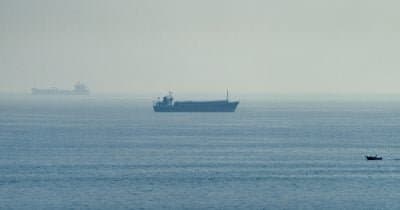
What makes this matter: the Strait of Hormuz channels roughly 20% of global oil shipments. When US and Iran tensions spike there, insurance premiums jump, shipping routes get diverted, and energy prices twitch. Oman, historically neutral and tucked between both powers, has the diplomatic credibility neither side can easily dismiss. The fact that Pakistan is publicly endorsing Oman's role suggests the mediation isn't theater. It's actual groundwork for a management arrangement that keeps commercial traffic flowing without military flashpoints.
The shape of talks points toward something practical rather than ideological. Instead of grand nuclear deals or regime-change demands, negotiators are focusing on corridor protocols, incident communication channels, and rules of engagement for naval operations. That's the kind of boring institutional stuff that actually sticks. Pakistan's statement essentially validates that this machinery is working.
Prediction markets have already priced in increased confidence for a US-Iran understanding by mid-August. Traders are watching for formal joint statements or shipping traffic data. Any collapse in talks or fresh military rhetoric would flip the scenario quickly. Key figures to track include Iranian foreign minister Abbas Araghchi and US Central Command officials.
Oil futures edged down on the news, with Brent crude softening 0.8% as risk premium compressed slightly.
This material is informational only and does not constitute financial or investment advice.