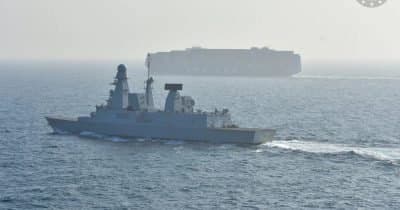
Two Saudi-flagged oil tankers were hit by Houthi missiles in the Red Sea this week, with one vessel, the Encelia, catching fire at the bow after departing Yanbu on July 20. A second tanker, the Layla, was struck on July 22-23. All crew members were reported safe.
Brent crude jumped past $98 per barrel in the aftermath, touching a six-week high. Bitcoin and XRP both slid under the pressure, following the same pattern seen in previous energy shocks. The White House responded by threatening military force against the Houthis, with US officials also signaling they would hold Iran accountable for the strikes.
A blockade, not just an incident
The attacks came days after the Houthi group, formally known as Ansar Allah, declared a maritime blockade of Saudi ports on July 20. The strikes took place 70 to 130 kilometers off the Saudi coast, squarely in the shipping corridor approaching the Bab el-Mandeb Strait, through which roughly 10% of all seaborne oil passes daily. Multiple tankers had already begun diverting from the area before the missiles flew.
As analysts noted, a formal blockade declaration before the strikes signals a sustained campaign rather than a one-off provocation. If tanker operators start demanding higher war-risk premiums for Red Sea transit, or begin rerouting around the Cape of Good Hope entirely, delivery costs could rise by millions of dollars per voyage and timelines could stretch by weeks.
Crypto markets, already sensitive to macro stress, are likely to stay in reactive mode as long as oil prices keep climbing toward $100.
This article is for informational purposes only and does not constitute financial advice. Always do your own research before making investment decisions.