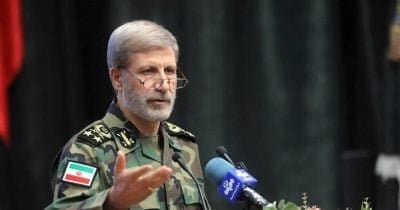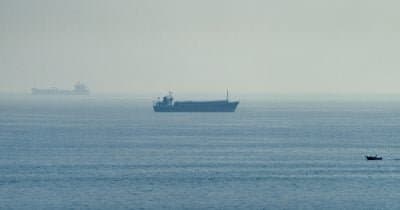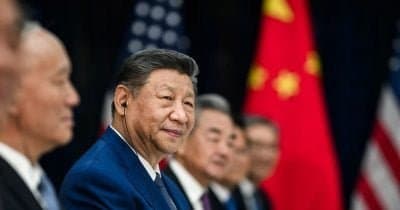
Iran and Oman will announce a temporary transit corridor through the Strait of Hormuz, according to sources tracking the diplomatic developments. The move reflects weeks of back-channel talks between Tehran and Muscat over how to manage one of the world's most critical shipping routes without compromising either nation's sovereignty claims. But Tehran has been clear: this is not a broader deal with Washington to fully reopen the strait.
The corridor sits somewhere between a complete closure and unrestricted passage. It's designed to let vessels move through under controlled conditions, reducing friction between Iran's security concerns and the shipping industry's need for predictable routes. For now, it's temporary, which means both sides keep room to negotiate further without locking themselves into permanent arrangements.
Markets are pricing this more cautiously than they were weeks ago. Traders betting on a full U.S.-Iran agreement by mid-August have cut their confidence from 62% down to 47%. That shift matters because shipping insurance costs, tanker rates, and energy prices all move on expectations about Hormuz access. If the corridor stays narrow and temporary, crude could stay under pressure, and shipping companies will keep hedging against sudden closures.
What happens next depends partly on what the joint statement actually says. If it hints at permanent reopening or U.S. involvement, markets could reprice overnight. If it's purely between Iran and Oman with no mention of broader negotiations, expect a shrug and continued volatility. The strait handles roughly one-third of global maritime oil traffic, so even small shifts in access assumptions move billions in derivative positions.
This article is for informational purposes only and should not be construed as financial or investment advice. Market conditions and diplomatic situations change rapidly.