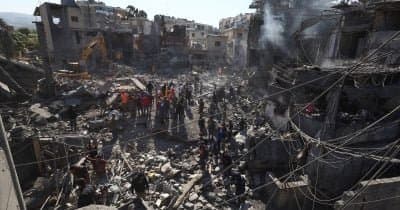
The ongoing conflict in Lebanon has resulted in a tragic death toll of 4,322, as reported by Middle East Eye. This staggering figure underscores the humanitarian crisis unfolding in the region and reflects the broader implications for geopolitical stability. The conflict, exacerbated by Iranian-backed Hezbollah's involvement, began in March 2026 and has led to the displacement of over 1 million individuals, raising urgent questions about regional security and humanitarian response.
Context of the Conflict
Initially, a ceasefire was brokered in April 2026, with the hope of reducing hostilities. However, the Israeli military has continued its aggressive operations throughout southern Lebanon, Beirut, and the Bekaa Valley, citing ongoing violations by Hezbollah as justification. The situation has since deteriorated, with military actions persisting despite diplomatic efforts aimed at peace. The complexity of the conflict reflects a multifaceted power struggle in the region, with Israel's military strategy now under scrutiny as it seeks to maintain control over key territories.
Market Reactions and Implications
Financial markets have begun to react to these developments, indicating a shift in the probability of Israeli military strategy. Current data suggests a reduced likelihood of Israeli forces withdrawing from their positions near the Litani River by the end of July. Furthermore, analysts note a consistent probability that Israel may expand its military actions to include strikes in multiple countries by the close of 2026. This evolving landscape signals a potential escalation that could have far-reaching implications for investors and regional stakeholders alike.
Key market takeaways include:
- The death toll correlates with decreased probabilities of Israeli forces withdrawing from strategic territories.
- Market sentiment suggests that ongoing military operations may lead to broader conflict involving Israel and neighboring nations.
- The persistence of hostilities, despite a ceasefire, indicates sustained tensions with potential for escalation.
Looking Ahead
As the situation develops, investors and policymakers will closely monitor diplomatic initiatives or announcements from Israeli officials and international bodies such as the United Nations Security Council. A credible report of a full withdrawal of Israeli Defense Forces (IDF) or new ceasefire agreements could significantly shift market dynamics. Furthermore, any major military actions or diplomatic breakthroughs involving Israel could alter expectations regarding regional stability and conflict resolution.
This article is informational and should not be taken as financial advice.