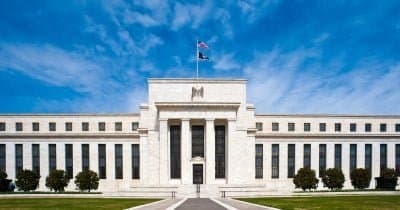
The Federal Reserve's recent H.4.1 release revealed a notable uptick in its balance sheet, with an increase of $8.4 billion, alongside a substantial $132 billion surge in reserve balances within just one week. These shifts, reported on July 9, 2026, have caught the attention of crypto markets, highlighting the interconnectedness of traditional finance and digital assets.
Key Financial Indicators
The Fed's total reserve bank credit has now reached $6.685 trillion, marking an increase of $8.39 billion compared to the previous week. This rise in reserve balances, which now stand at $3.099 trillion, indicates a significant injection of liquidity into the financial system. Additionally, the Fed's outright securities holdings have grown to $6.450 trillion, with $4.5 trillion in U.S. Treasuries and $1.948 trillion in mortgage-backed securities.
These statistics reveal a broader trend where the total factors supplying reserve funds have risen to $6.784 trillion, reflecting a steady increase that seems to stabilize around $6.7 trillion. This shift follows a period of quantitative tightening from 2022 to 2025, suggesting a pivot in strategy under the leadership of Chair Kevin Warsh, who appears to embrace an “ample reserves framework.”
The Ripple Effect on Cryptocurrency Markets
While the H.4.1 report does not directly reference Bitcoin, Ethereum, or other cryptocurrencies, the implications for these markets are profound. Historically, the correlation between Fed liquidity and crypto valuations has been striking. For instance, the expansive balance sheet growth during 2020-2021 was mirrored by Bitcoin's meteoric rise from under $10,000 to nearly $69,000. Conversely, the quantitative tightening initiated in mid-2022 precipitated a dramatic decline, with Bitcoin losing over 75% of its value at its nadir.
Current indicators suggest that the Fed is not engaging in the aggressive asset purchases that characterized its COVID-era quantitative easing. Instead, the stabilization of the balance sheet around $6.7 trillion, along with the escalating reserve balances, indicates the Fed's confidence in the existing liquidity levels, keeping interest rates steady. This environment may foster a cautious optimism among crypto traders, as they monitor how these central bank actions translate into market movements.
This content is for informational purposes only and should not be considered financial advice.