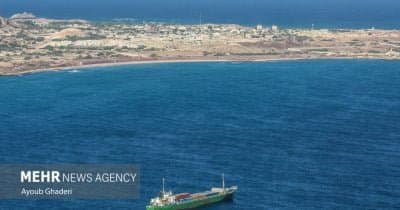
On July 16, 2026, the United States executed targeted airstrikes on Greater Tunb, an island in the strategically vital Strait of Hormuz. This military action is significant, not only because it heightens tensions with Iran but also due to its implications for international maritime trade and regional security.
The strikes reportedly aimed at Iranian cruise missile storage and coastal defenses, marking a stark shift in the conflict dynamics. Greater Tunb has been under Iranian control since 1971, despite being claimed by the United Arab Emirates, which adds a layer of complexity to the situation. With the ceasefire between the US and Iran collapsing earlier this month, the airstrikes are a clear signal of escalating hostilities.
Market analysts are taking note of the heightened risks associated with potential Iranian retaliation against Gulf states. The recent US military actions are part of a broader campaign in the region, which includes naval blockades and military operations targeting Iranian assets. This escalation is particularly concerning as it disrupts maritime traffic in the Strait of Hormuz, a critical chokepoint for global shipping, where approximately 20% of the world's oil passes.
Implications for US-Gulf Relations
In tandem with the airstrikes, the US has approved a substantial arms sale, valued at $1.96 billion, to Saudi Arabia. This move reinforces the alliance between the US and Gulf states amid rising tensions and could be interpreted as a commitment to counter Iranian influence in the region. The arms sale is likely to bolster Saudi defenses and enhance their military capabilities, an essential factor in the context of potential Iranian aggression.
Monitoring Iran's Response
The next steps from Iran will be critical. Observers are closely watching for any military or diplomatic responses from Iranian leaders such as Supreme Leader Ali Khamenei and IRGC Commander Hossein Salami. Their statements and actions could significantly influence market perceptions of regional stability. Diplomatic efforts, potentially facilitated by countries like Qatar or Oman, may also play a role in de-escalating the situation.
As the situation unfolds, markets will remain vigilant for any shifts in military posturing or diplomatic dialogues that could either intensify the conflict or pave the way for negotiations. The events on Greater Tunb serve as a reminder of how quickly geopolitical tensions can escalate and the potential consequences for global trade and security.
This article is for informational purposes only and does not constitute financial advice.