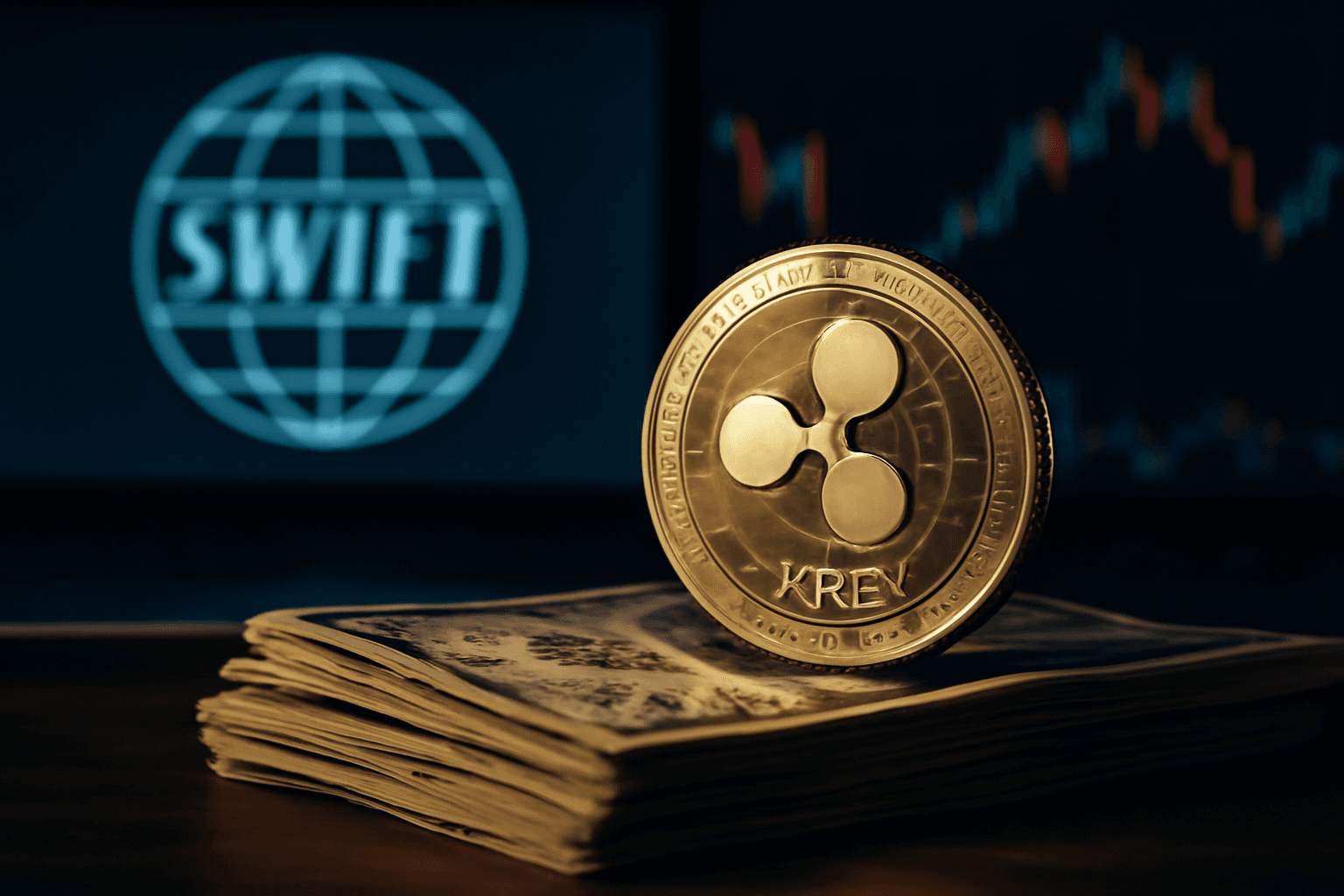
When SWIFT recently introduced its blockchain-based shared ledger, it reignited discussions within the XRP community about the cryptocurrency's unique value proposition in the evolving payments landscape. This new ledger allows for around-the-clock coordination of tokenized deposits among banks, yet it still leans on traditional systems for final settlements, highlighting a critical gap that XRP is designed to bridge.
Avalon Ingram, who heads SWIFT’s Digital Assets Business for Asia Pacific, pointed out that customer expectations around cross-border payments are rapidly changing. As she stated, the demand is shifting towards real-time and 24/7 transactions, which traditional systems struggle to meet. While SWIFT's new ledger enhances visibility and coordination among institutions, the reality remains that the final movement of funds often relies on outdated systems that can delay transactions for hours or even days.
This is where Ripple’s On-Demand Liquidity (ODL) solution utilizing XRP stands out. XRP facilitates near-instantaneous settlements, acting as a neutral bridge asset. This innovation allows banks to access liquidity on an as-needed basis, bypassing the necessity for pre-funded accounts that tie up capital across borders. Ingram's insights resonate with Ripple’s ongoing narrative that while traditional systems, including SWIFT, are effective in communication, they fail to resolve the liquidity and settlement issues that impede real value transfers.
The Settlement Gap and XRP's Role
The friction in traditional banking systems is becoming increasingly untenable as financial institutions strive to meet customer demands for speed and efficiency. As banks that are part of SWIFT's pilot programs often have existing connections with Ripple, the future could see a hybrid model where SWIFT’s orchestration capabilities are complemented by specialized solutions like the XRP Ledger. This could lead to a transformative financial environment where the strengths of both systems can be leveraged.
Future Prospects for SWIFT and XRP
Notably, SWIFT has plans to expand its ledger with additional use cases, potentially moving toward more advanced forms of digital money, including programmable money and autonomous transactions. This development could further solidify the position of XRP as a critical asset in the new financial ecosystem.
As the intersection of traditional banking and modern blockchain technology continues to evolve, XRP's role in facilitating quick, efficient, and low-cost settlements will likely become more pronounced. The blending of SWIFT’s trusted infrastructure with Ripple’s innovative solutions could redefine how we perceive cross-border payments and interactions in global finance.
This article is informational and should not be considered financial advice.