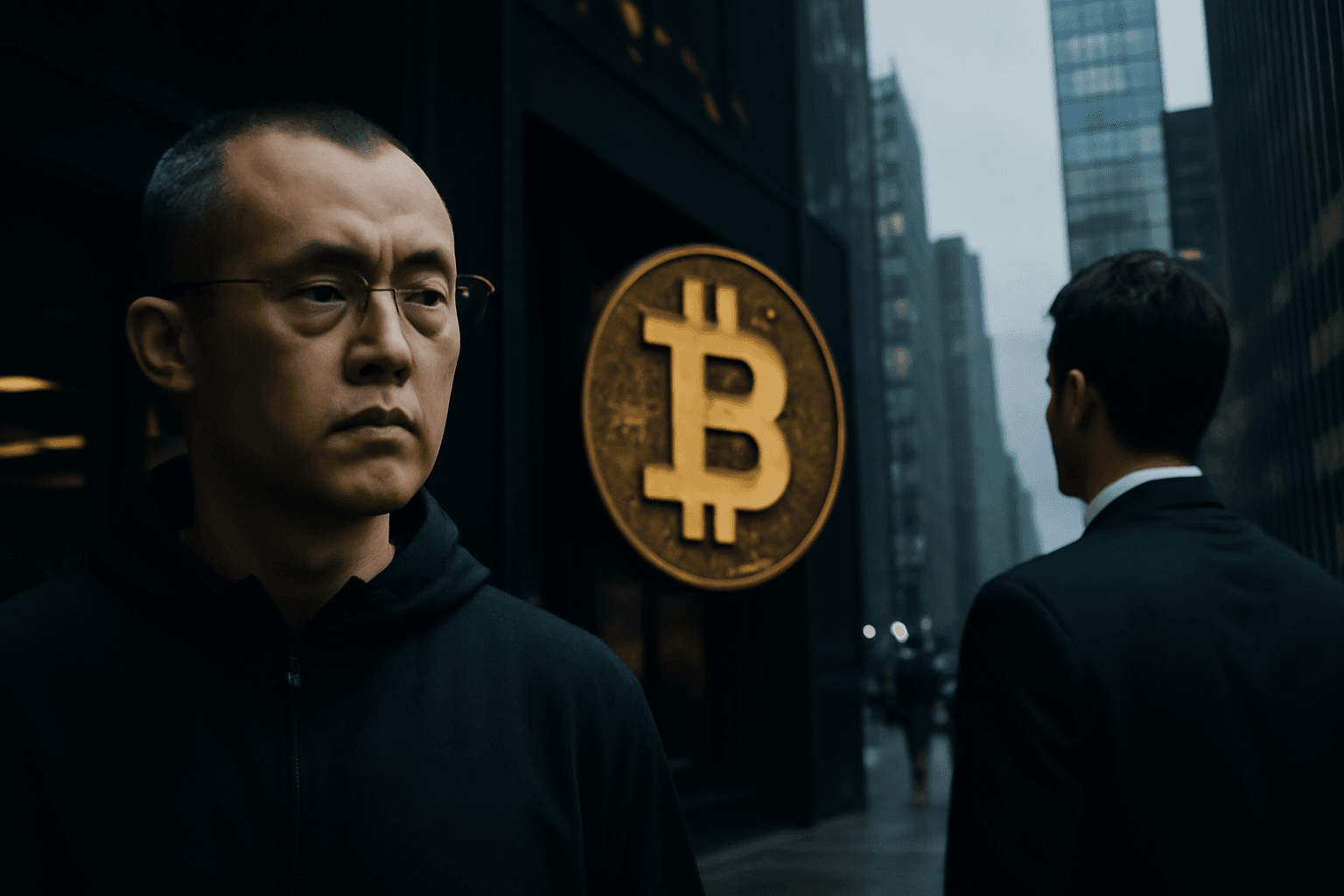
In a recent statement, Binance co-founder Changpeng Zhao, also known as CZ, has taken a bold stance against Wall Street's projected $725 billion investment in artificial intelligence (AI). Zhao argues that while AI technology is promising, it fails to offer the inflation protection that Bitcoin provides. This assertion comes at a time when investors are increasingly weighing the implications of Bitcoin's fixed supply against the growing capital influx into AI infrastructure.
JPMorgan CEO Jamie Dimon projects a substantial boom in AI spending, expecting the figure to reach $725 billion. In contrast, BlackRock executives are cautioning that rising government debt and concerns over currency stability could bolster Bitcoin's long-term appeal. Robert Mitchnick, BlackRock's digital assets chief, highlights that recent outflows from spot Bitcoin exchange-traded funds indicate a potential shift in investor focus, particularly as worries about U.S. borrowing and currency debasement intensify.
The Divergence Between AI and Bitcoin
As Zhao succinctly stated, “AI is great, but it does not protect you against inflation. Bitcoin does.” This statement shows a fundamental difference in the underlying value proposition of both investment themes. AI firms rely on future revenue generated from substantial capital investments, while Bitcoin advocates emphasize the cryptocurrency's scarcity as a hedge against inflationary pressures associated with monetary expansion. Currently, Bitcoin is trading around $65,000, having recovered from previous declines but still significantly below its all-time high of over $126,000 reached in October 2025, a period marked by strong inflows into BlackRock's spot Bitcoin ETF.
Adding to the cautionary narrative, George Noble, a former Fidelity fund manager, has raised alarms regarding the potential repercussions of an AI bubble burst. He warns that such a crash could lead to losses as much as 17 times greater than the infamous dot-com collapse, which erased approximately $5 trillion from the Nasdaq. Noble's remarks reflect growing unease about the sustainability of AI spending and the risk of overexposure to the sector.
Market Reactions and Investor Sentiment
Despite the warnings surrounding AI investments, Dimon remains optimistic about the sector, likening the current spending cycle to a wave gathering momentum that is difficult to halt. While he acknowledges the risks, he believes the strength of the U.S. economy will support continued investments in AI. This sentiment contrasts sharply with Zhao's defensive position on Bitcoin, emphasizing the cryptocurrency's role as a safeguard against inflation.
As the market evolves, the debate over the merits of AI versus Bitcoin as viable investment opportunities will likely intensify. Investors will need to stay informed about macroeconomic trends, particularly those related to inflation and monetary policy, as these factors could significantly impact their portfolios.
This article is for informational purposes only and does not constitute financial advice.