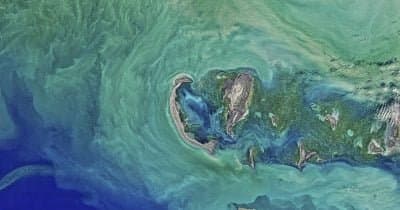
On July 25, Iranian authorities accused Ukraine of attacking one of their merchant vessels in the Caspian Sea, resulting in one death and another injury. Iranian Foreign Minister Abbas Araghchi condemned the explosion as a deliberate hostile act, summoning Ukraine’s diplomat in Tehran and seeking international accountability. The incident marks an unprecedented extension of the Russia-Ukraine war into the Caspian Sea region, historically a calm zone for energy shipments and trade.
The Caspian Sea Incident and Its Regional Impact
Ukraine did not deny responsibility. President Volodymyr Zelenskyy confirmed targeting vessels believed to be transporting military cargo linked to Iran, framing the strikes as defensive moves against supply chains aiding Russia’s war effort.
This escalation involves a complex geopolitical web. The Caspian Sea touches Russia, Iran, Kazakhstan, Turkmenistan, and Azerbaijan all key producers in global oil and gas markets. The attack threatens regional stability and could have ripple effects on energy supplies.
Iran faces stringent international sanctions, especially over alleged arms transfers to Russia. To skirt these restrictions, Iran has reportedly leveraged cryptocurrency mining and transactions. Russia has pursued similar crypto-based trade methods to bypass conventional banking sanctions. The recent incident may prompt Western nations to impose tighter sanctions on Iranian maritime activities, possibly extending scrutiny over crypto platforms used for payment or trade circumvention. The U.S. Treasury’s OFAC has already taken action against crypto addresses linked to such efforts.
This incident echoes broader concerns about how conflicts intersect with financial technologies and sanctions enforcement. For more context on regional tensions affecting oil and crypto markets, see Iran and Oman Resume Talks Over Strait of Hormuz Amid Oil and Crypto Market Concerns.