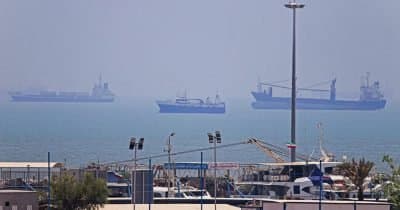
Iran and Oman have reignited negotiations focused on the Strait of Hormuz, a vital passage that channels about 20% of the world's oil supply. These discussions aim to restore normal commercial shipping after Tehran imposed restrictions earlier this year following military strikes by the US and Israel.
The diplomatic efforts began in April with undersecretary-level meetings, but real momentum appeared in June when senior Iranian officials visited Muscat. Together, they established a joint working group tasked with managing navigation and handling maritime service costs. This group will also engage other nations bordering the strait as part of a broader consultation process.
Oman plays a unique role as a trusted intermediary between Iran and Western nations, maintaining dialogue when other Gulf neighbors remain distant. Meanwhile, the United States and United Kingdom are planning a London conference to address the security of maritime shipping through this strategic waterway, though Iran’s sensitivity to foreign involvement could complicate proceedings.
These developments carry significant weight for global markets. Disruptions in the strait typically lead to higher oil prices, which in turn fuel inflation and prompt central banks to tighten monetary policy. Those higher interest rates create challenges for risk assets like Bitcoin and the wider cryptocurrency market. A blockade would force tankers to reroute around the Cape of Good Hope, adding weeks and extra fuel expenses that eventually trickle down into consumer prices.
The joint working group remains the main channel for progress, but no clear milestones or timelines have been set yet. Market watchers will be attentive to the outcomes of the London conference and any tangible steps toward reopening full commercial passage. Investors with stakes in energy commodities and shipping are particularly vigilant given the broader economic ripple effects.