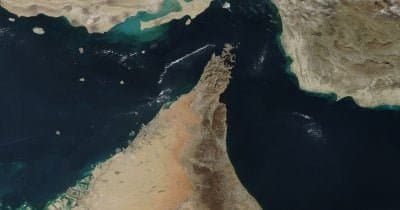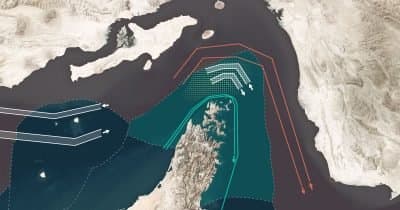
Iran and Oman are hammering out a deal to split management of the Strait of Hormuz, the narrow waterway where roughly 20% of the world's daily oil supply flows through. The arrangement is straightforward, if audacious: Iran controls inbound routes, Oman handles outbound traffic, and both countries will charge vessels for passage. No American seat at the negotiating table.
The two nations are essentially converting the Strait into a toll road. That matters because for decades, the US Fifth Fleet has been the de facto guarantor of free passage through one of the planet's most critical energy chokepoints. A bilateral Iran-Oman framework bypasses Washington entirely, signaling a fundamental shift in how regional powers think about controlling their own infrastructure.
Oman has long played the Gulf's neutral broker, and its willingness to formalize this arrangement with Iran undercuts the previous Trump administration timelines for reopening the Strait. Iran rejected those proposals in favor of negotiating directly with its neighbor across the water instead of with Washington. The move reflects a broader pattern: regional powers are building economic corridors that don't require American approval.
For energy markets, a stable and predictable Strait arrangement could trim the geopolitical risk premium that's been embedded in oil prices for years. That ripples through inflation expectations and central bank policy, which in turn shapes the macro backdrop that crypto trades against. Clearer energy pricing removes one of the volatility anchors.
The exclusion of the US signals something deeper than just regional diplomacy. It challenges the entire post-Cold War arrangement where American naval presence underwrote global commerce flows. If Iran and Oman can manage the Strait without Washington's blessing, the precedent invites other regions to rethink their own dependencies on US-guaranteed infrastructure. That dynamic has historically fed interest in decentralized finance and alternative payment rails across the Middle East and South Asia.
This piece is informational only and does not constitute financial or investment advice. Market implications depend on deal execution and geopolitical stability.